


Table of Contents

Key Takeaways
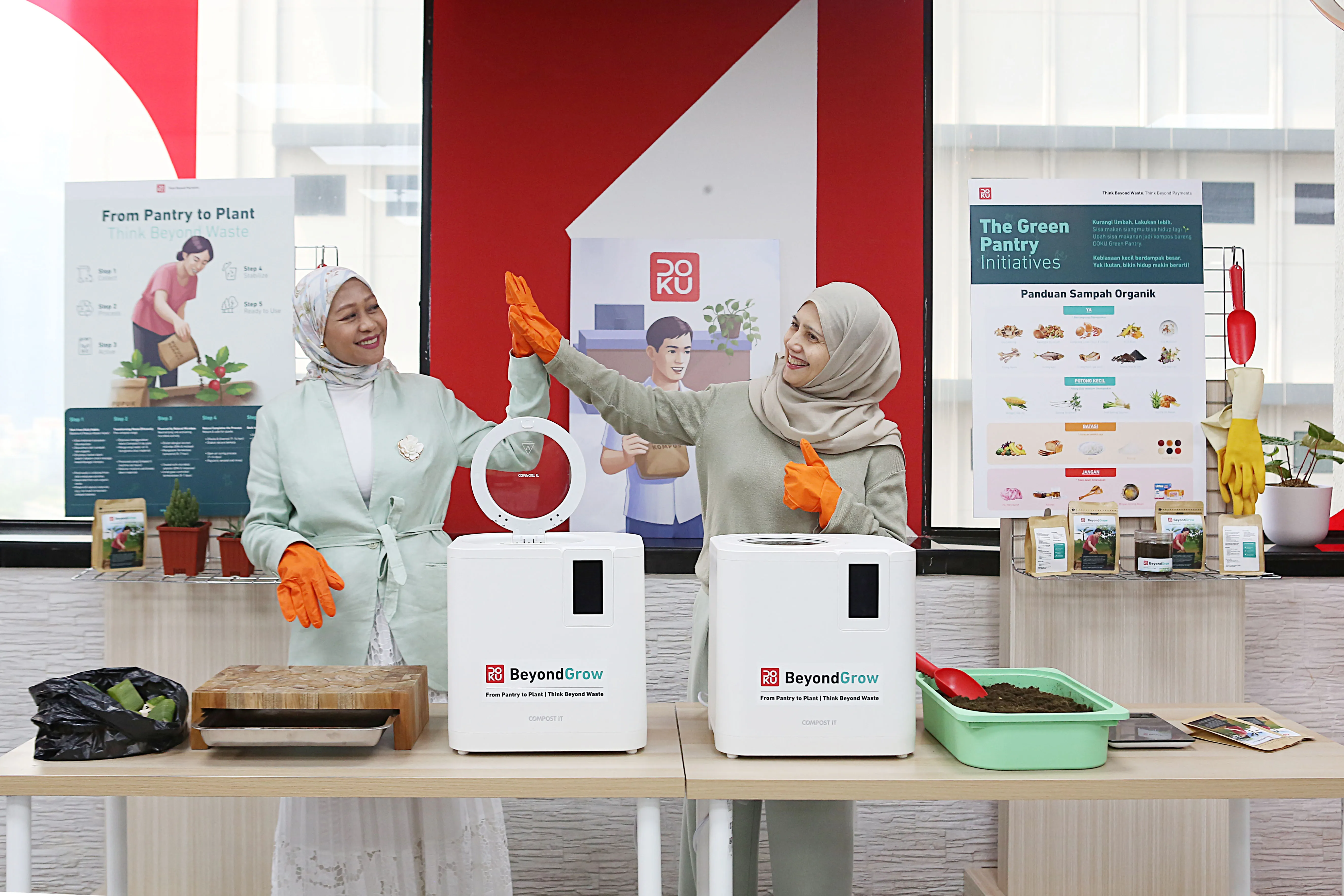
- DOKU introduced Green Pantry, a circular waste management initiative that transforms office food waste into functional compost.
- The Green Pantry waste management program begins with simple daily habits that help foster a long-term ESG culture in the workplace.
- Through a zero-waste approach, food waste is processed into compost called BeyondGrow to support healthier and more optimal plant growth.
Imagine if meaningful environmental change did not start with sophisticated technology, but instead with leftover lunch in the office pantry.
In today's paperless and highly digital world, many people believe sustainability can only be achieved through technological innovation. At DOKU, however, the change began in one of the simplest places: the pantry.
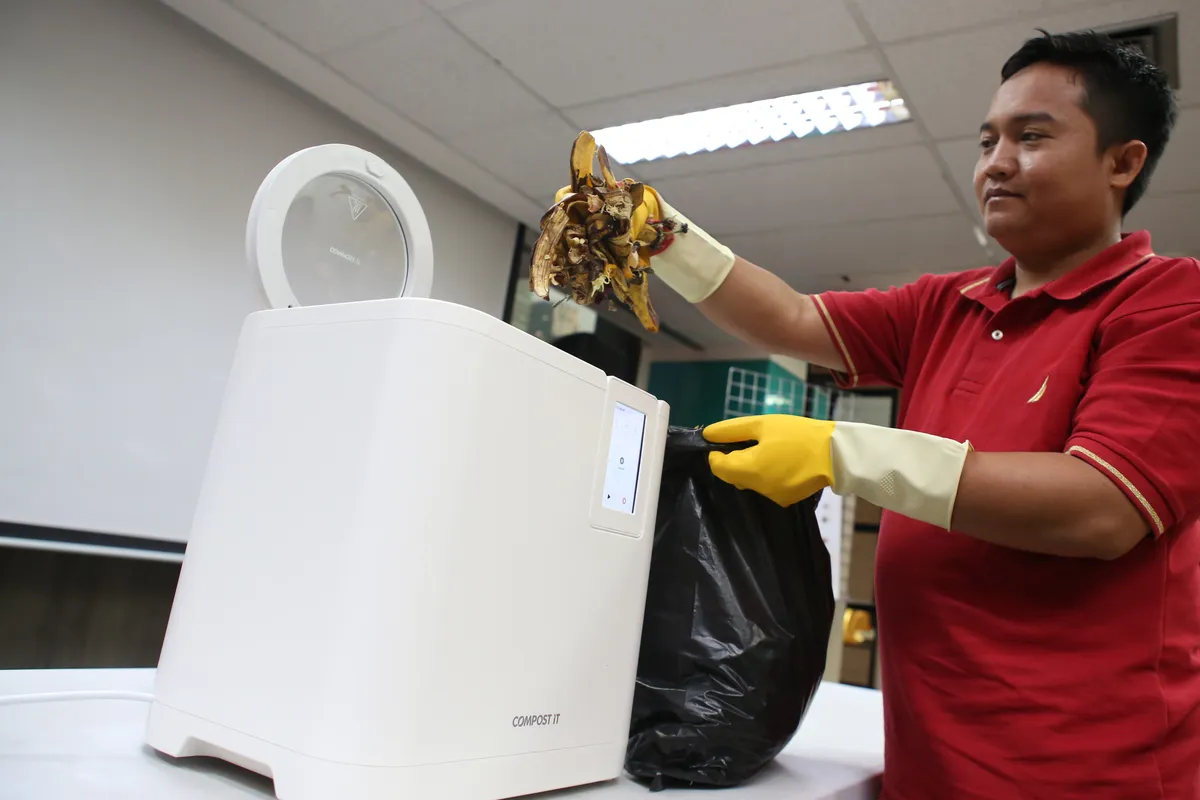
Every day, food scraps that would normally end up in landfills are now sorted, collected, and transformed into compost. It is a small cycle that reflects a new mindset: nothing is truly "thrown away," only transformed into something useful again.
From these simple habits, a larger green initiative was born Green Pantry, a circular waste management initiative that turns office food waste into valuable compost.
Building a Sustainability Culture Does Not Have to Start with Big Changes
As a payment fintech company, DOKU is widely recognized for its technological innovations that simplify business transactions. But behind its fully digital ecosystem lies an important realization: corporate sustainability should not stop at digitalization alone.
Seeing Potential in Everyday Activities
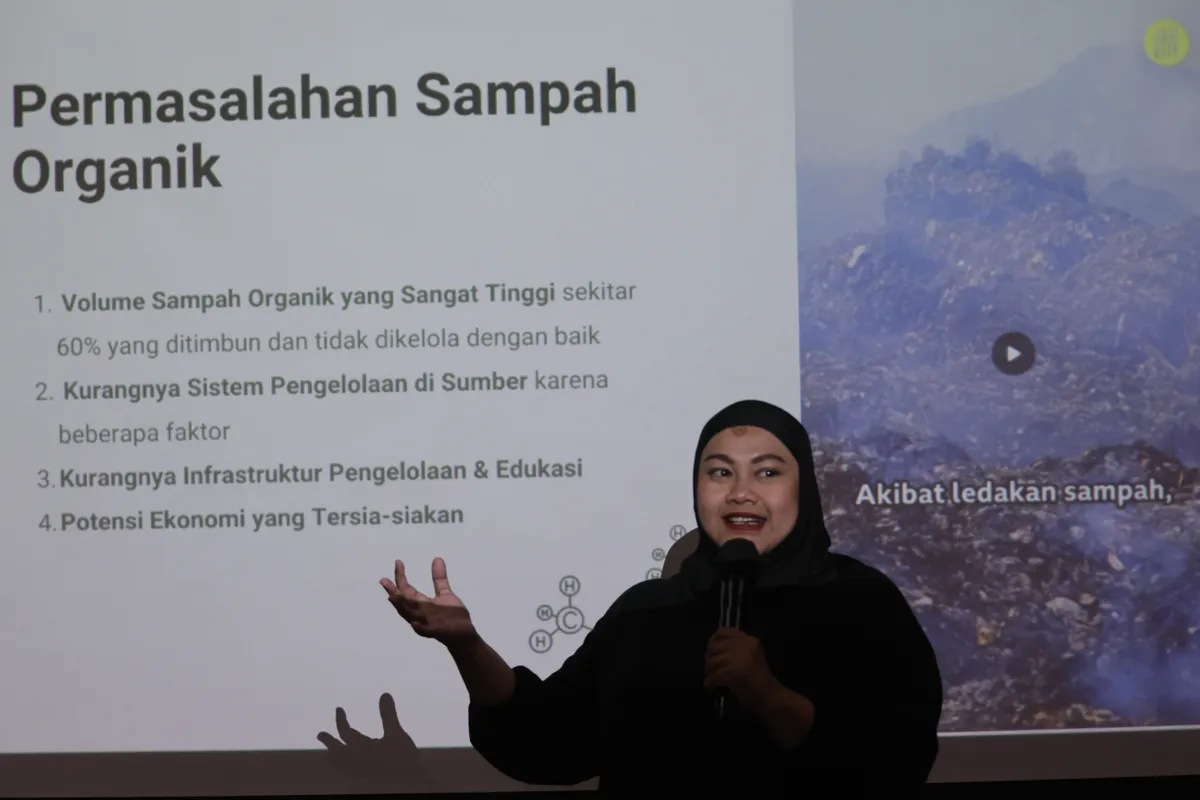
With around 150–170 employees in the office daily, DOKU generates nearly one ton of waste every month, much of it coming from food leftovers. This sparked a simple question: what if this waste could be managed more responsibly?
To address this challenge, DOKU introduced Green Pantry as a waste management solution focused on handling waste directly at its source, the everyday pantry activities within the office. Through this initiative, DOKU reinforces its commitment to sustainability while contributing to carbon emission reduction efforts.
Circular Principles Toward Sustainability
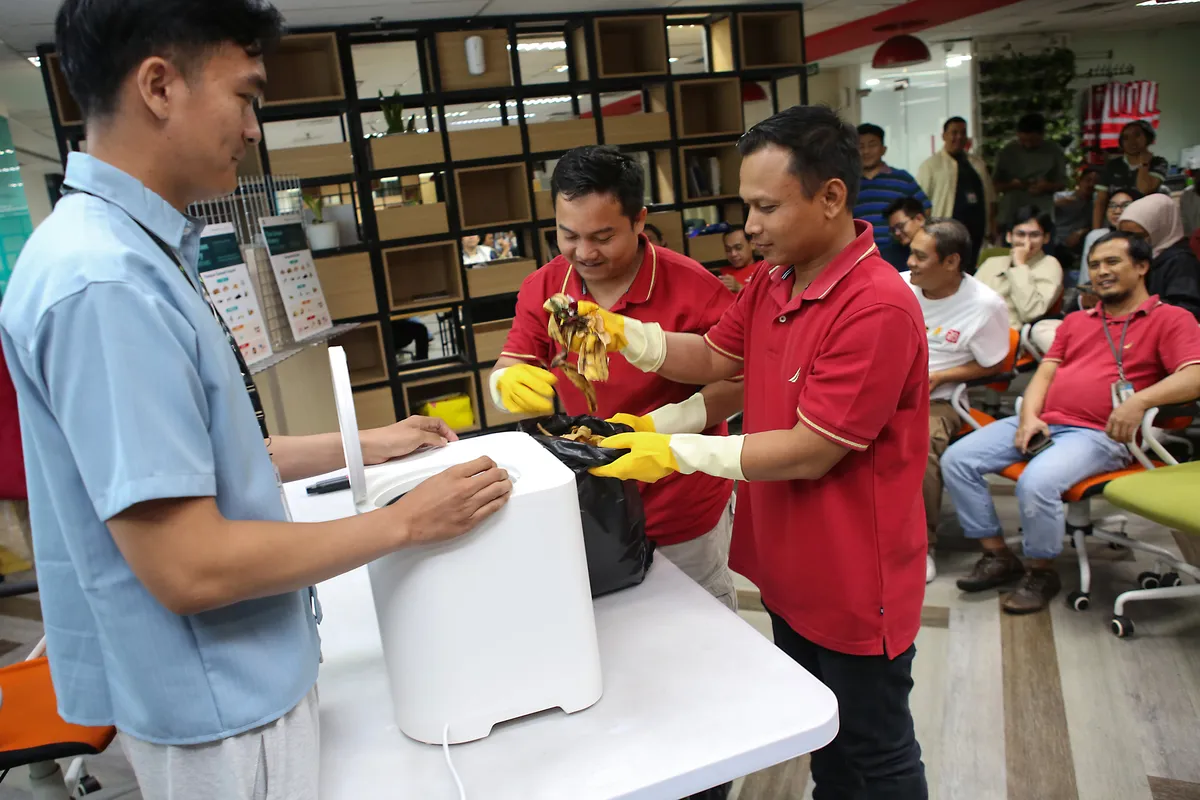
One of the key concepts behind Green Pantry is circularity. Food waste that previously ended up in landfills is now separated and processed into compost that can be reused.
With this approach, waste is no longer viewed as an "end," but rather as part of a continuous cycle. What was once considered worthless can instead become a new resource.
For DOKU, the journey toward sustainability is not always about making massive changes. Real impact often comes from small habits practiced consistently.
"Even digital businesses still leave an environmental footprint. Through Green Pantry, we want to show that simple actions in the workplace can create measurable environmental impact," said Himelda Renuat, Co-Founder and Chief Marketing Officer of DOKU.
Encouraging Sustainability Through Everyday Habits
.webp)
Green Pantry was designed as a simple and practical approach that employees can easily integrate into their daily routines. Through this program, DOKU implements an integrated waste management system that includes:
- Separating organic and non-organic waste
- Collecting food waste regularly
- Processing organic waste into compost
.webp)
Through this system, employees actively contribute to creating a more environmentally friendly workplace. Beyond reducing waste, the initiative also helps build collective awareness of sustainability in daily activities.
BeyondGrow: Compost Created Through DOKU's Green Pantry
.webp)
The result of this process is compost called BeyondGrow, produced through controlled stages ranging from collection, dehydration, fermentation, and maturation. This product not only supports zero-waste principles, but also contributes to urban greening and improved soil quality.
As a next step, DOKU also opened limited pre-orders for BeyondGrow so that its benefits can reach a wider audience. The compost helps improve soil fertility and water absorption, supporting healthier and more optimal plant growth. More information is available at: https://www.doku.com/about/sustainability.
This approach demonstrates that sustainability does not always require complex systems. Through simple processes and individual participation, meaningful change can happen while strengthening a sustainable ESG culture in the workplace.
In line with this, Nabilah Alsagoff emphasized that Green Pantry reflects how DOKU integrates corporate sustainability into its daily operations. "We believe sustainability should become part of the way we work. With the right system and employee involvement, the impact can be managed consistently and measurably," she said.
Earth Day Momentum & DOKU's 19-Year Journey
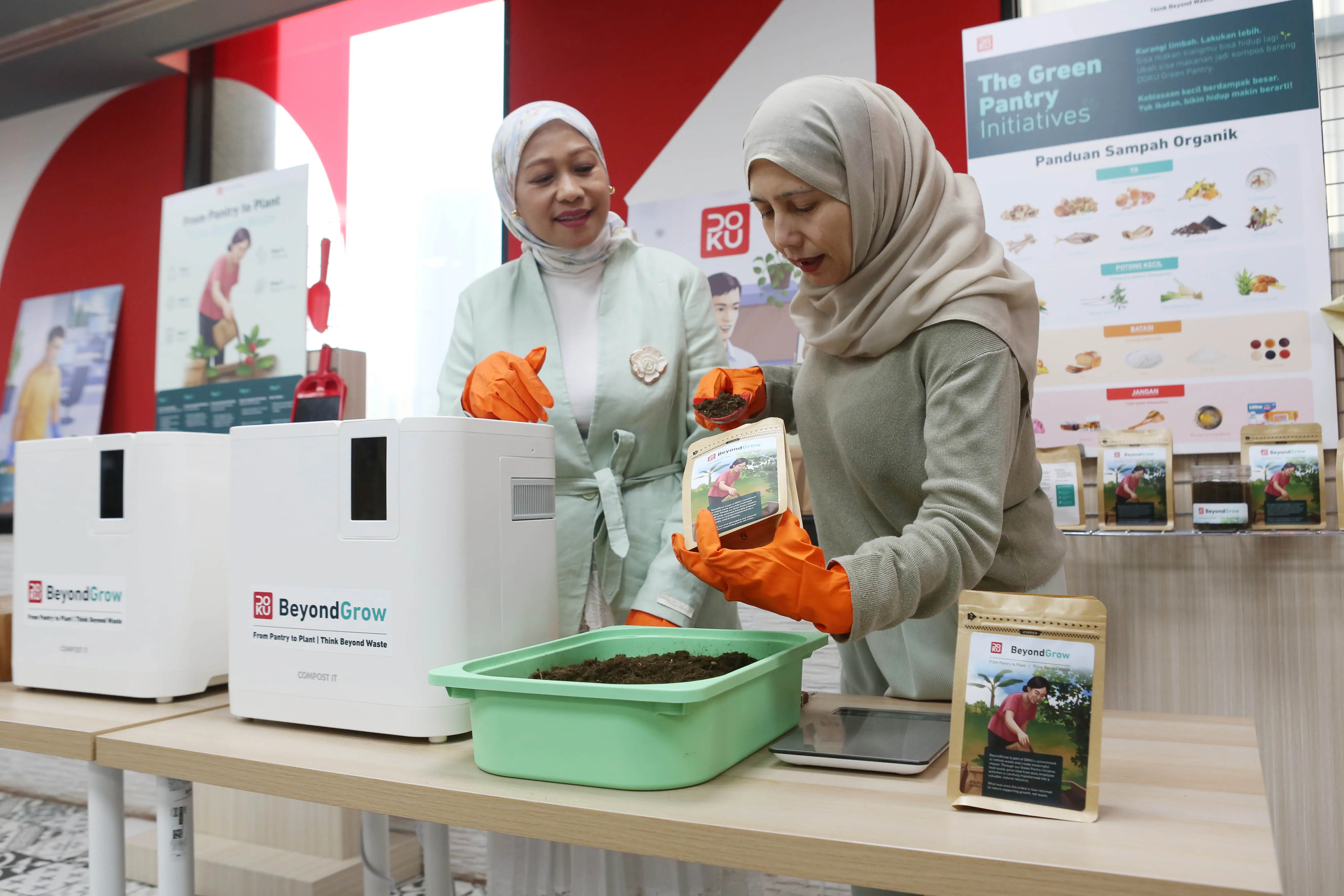
This initiative became even more meaningful as it was introduced in conjunction with Earth Day on April 22, a global reminder of the importance of environmental sustainability. At the same time, DOKU also celebrated its 19th anniversary in April 2026.
In this moment, Green Pantry symbolizes the company's journey, one that is not only focused on business innovation, but also on a broader commitment to sustainability. "Change does not always have to be massive. Starting from the office pantry, we want to show that simple actions can create real impact," concluded Himelda Renuat.
With its practical and scalable approach, this initiative is expected to inspire other companies to begin their own journey toward more sustainable operations.
Think Beyond Waste


