


Table of Contents

Key Takeaways
- Sustainable packaging is designed to reduce environmental impact throughout its entire lifecycle, making it a smart choice for modern businesses.
- Sustainable packaging comes in various forms , including recycled, biodegradable, compostable, renewable natural materials, and reusable packaging.
- Supported by DOKU's digital payment solutions, businesses can complement their sustainability strategy with a more convenient, cashless, and efficient payment experience.
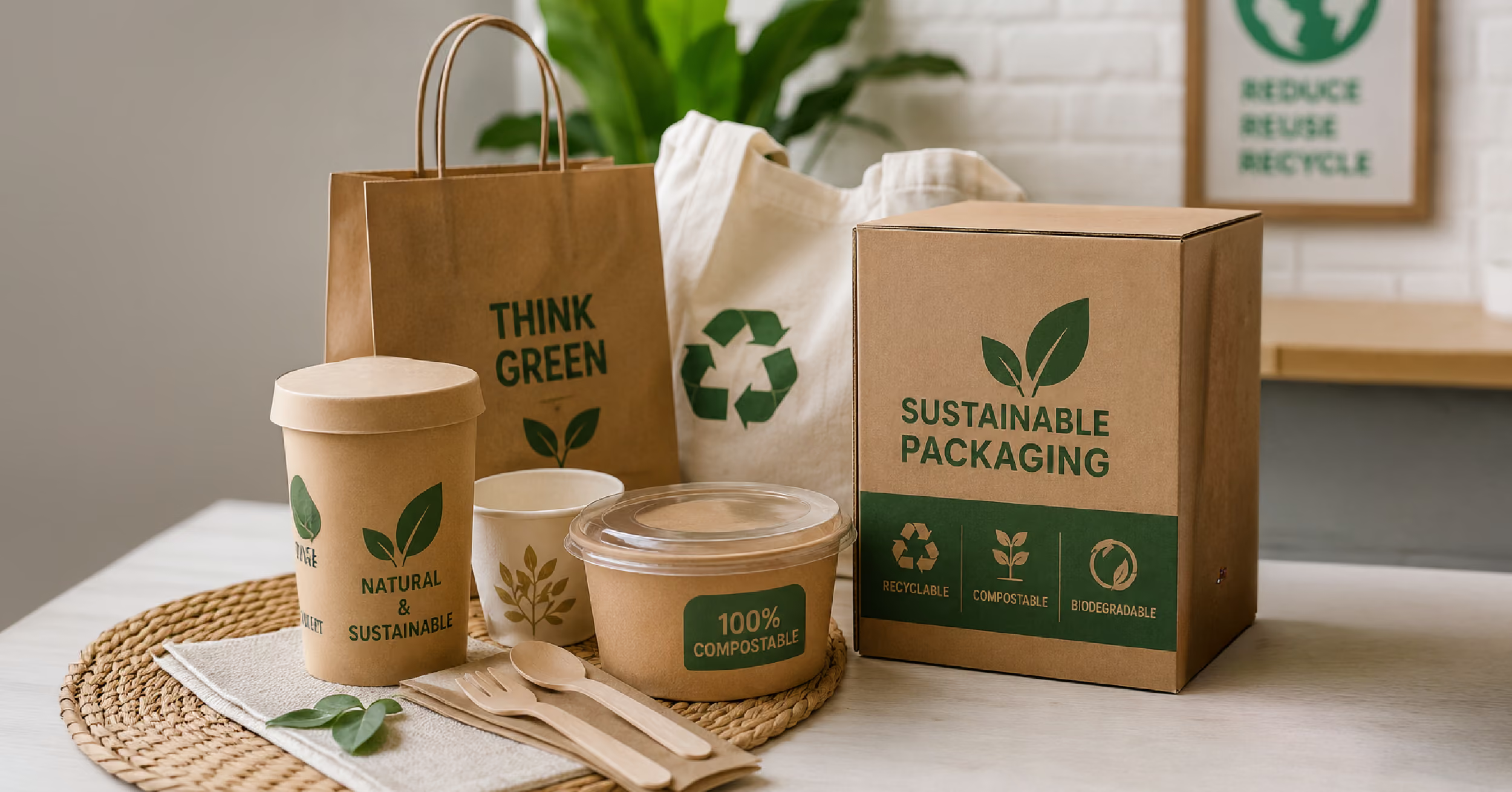
Packaging was once primarily seen as a way to protect products during distribution. Today, its role is much broader. Beyond keeping products safe, packaging has become part of a brand's identity, a communication medium with customers, and a representation of a company's commitment to sustainability.
This shift is also driven by changing consumer preferences. More shoppers are considering the environmental impact of their purchases, and many are willing to choose brands that use more sustainable packaging over alternatives that generate more waste.
In fact, approximately 20% of Indonesia’s national waste comes from plastic, while around 11% comes from paper and cardboard (Indicative National Waste Balance Data from the Environmental Control Agency, 2025). These figures highlight that packaging remains one of the largest contributors to everyday waste.
For businesses, this presents an opportunity to evaluate the types of packaging they use. Adopting sustainable packaging can be part of a more responsible business strategy while also helping businesses strengthen their competitiveness in the market.
What Is Sustainable Packaging?
Sustainable packaging refers to packaging designed to minimize environmental impact throughout its lifecycle, from production and use to disposal or recycling.
This type of packaging generally uses materials that can be recycled, reused, or naturally decomposed, helping reduce waste and resource consumption.
For businesses, sustainable packaging is a practical way to support more responsible business practices while responding to growing consumer awareness of environmental issues.
Related Article: 7 Simple and Practical Sustainability Initiatives for Businesses
5 Types of Sustainable Packaging for Businesses
Every business has different packaging needs depending on its products, distribution process, and target customers. Today, there are various sustainable packaging options that can be tailored to these needs. Here are some of the most commonly used environmentally friendly packaging types:
1. Recycled Material Packaging
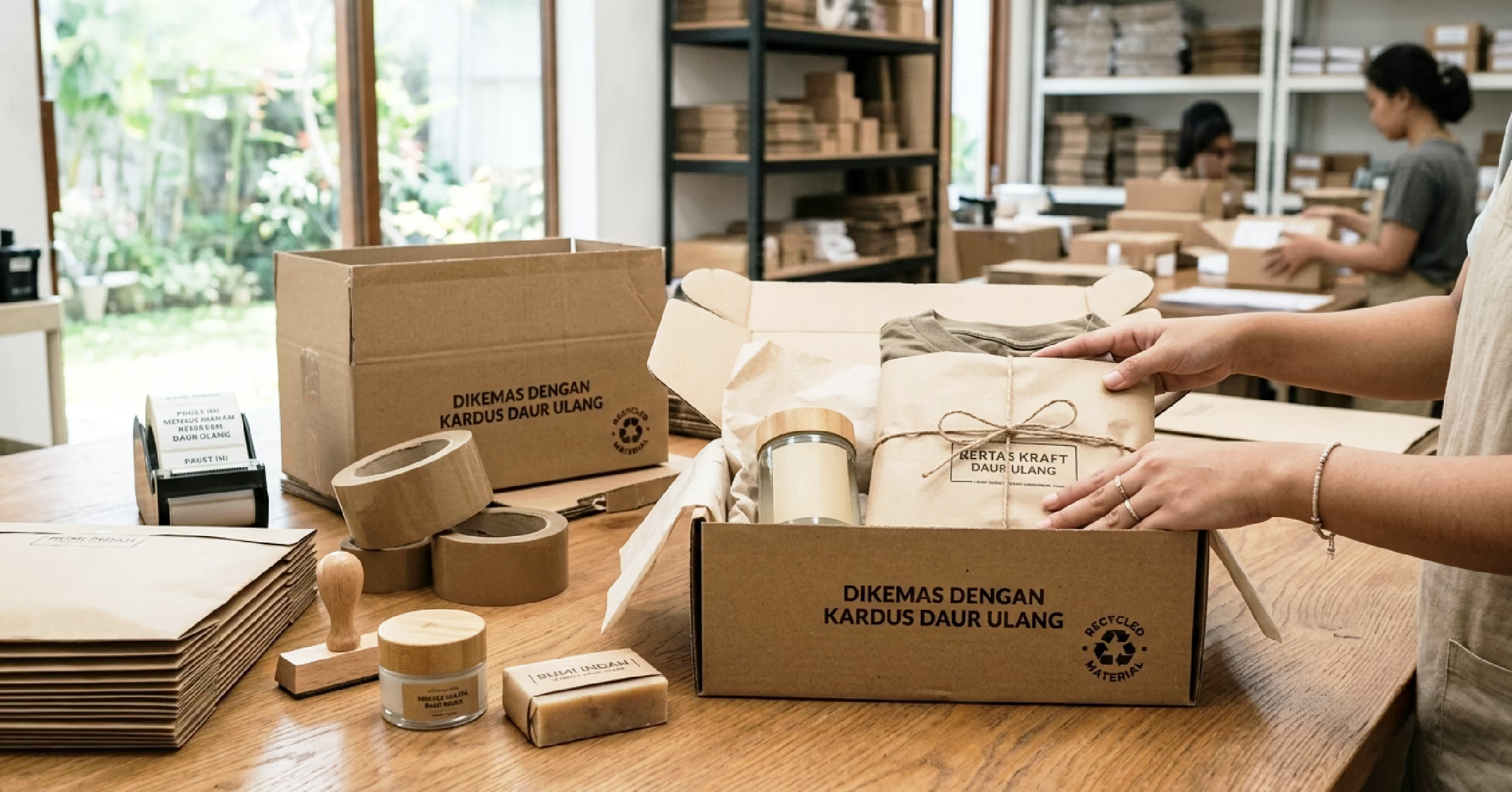
Packaging made from recycled materials is one of the easiest options to adopt because these materials are widely available and relatively easy to source from local suppliers.
Commonly used materials, include:
- Recycled kraft paper
- post-consumer recycled (PCR) cardboard
- Recycled PET (rPET) plastic
In addition to helping reduce the use of new raw materials, this type of packaging also maintains durability, for various business needs.
Suitable for:
- F&B
- Fashion
- E-commerce
- Cosmetic
2. Biodegradable Packaging
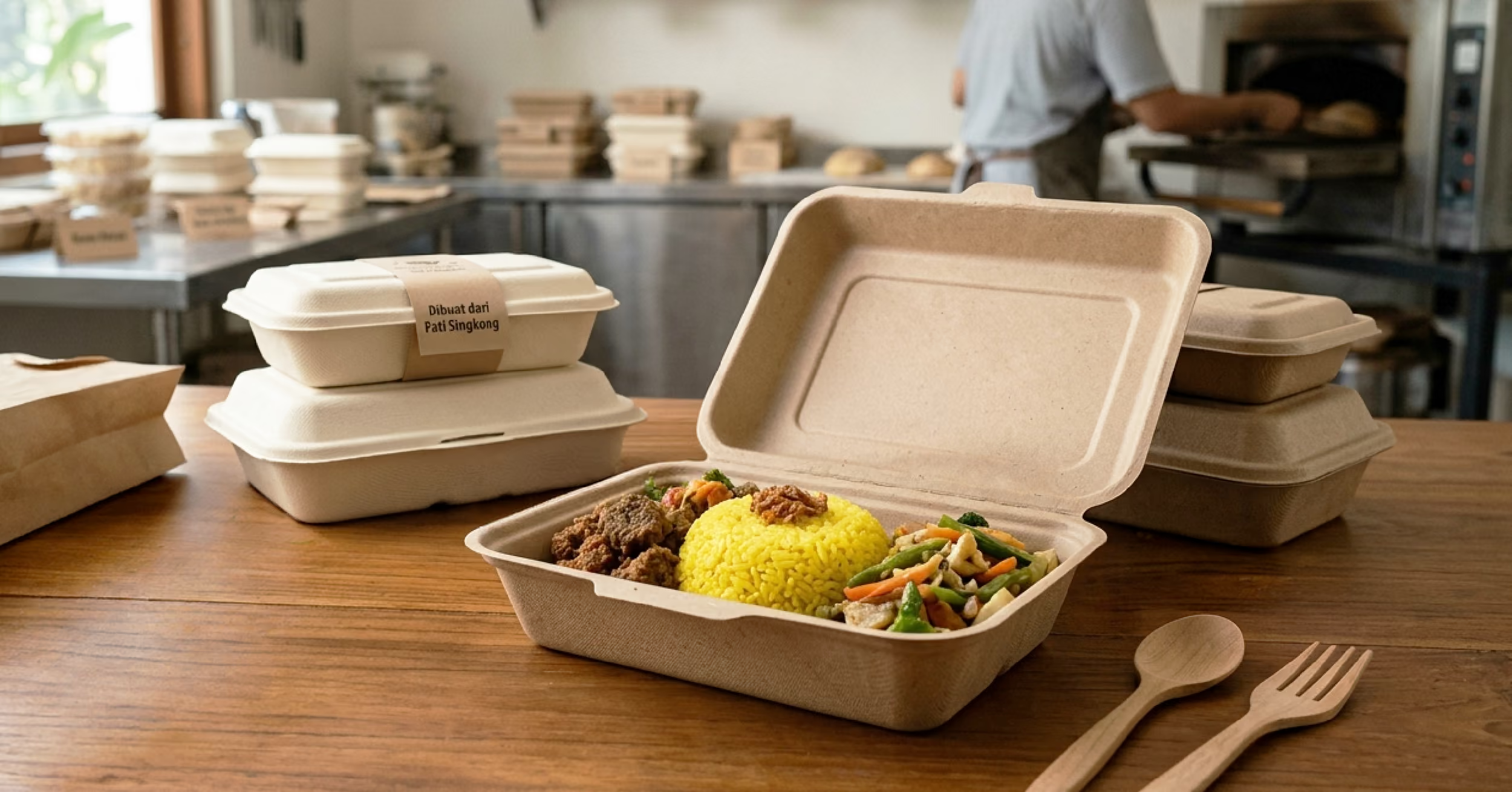
Biodegradable packaging is made from natural materials that can break down naturally over time without leaving harmful residues in the environment.
Common materials include:
- Cassava starch-based bioplastics
- Cornstarch
- PLA (Polylactic Acid)
- Bagasse (sugarcane fiber)
This type of packaging is becoming an increasingly popular alternative to single-use plastics, particularly in the food and beverage industry.
Suitable for:
- F&B (home-based food businesses, catering, cloud kitchens, etc.)
3. Compostable Packaging
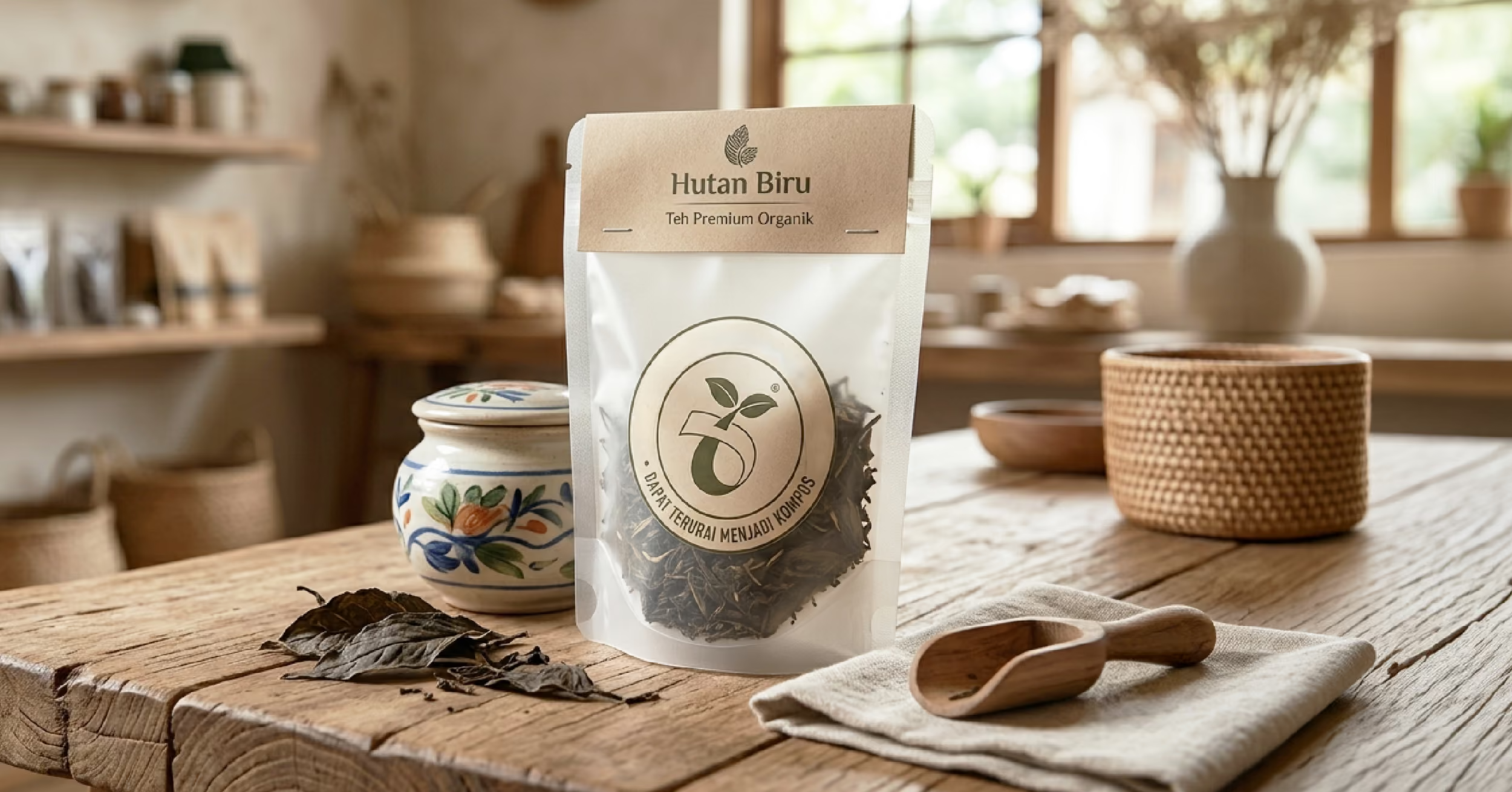
While compostable packaging may look similar to biodegradable packaging, it follows more specific standards. It is designed to break down into compost under certain conditions without producing harmful substances.
Some products have also met international standards such as EN 13432 or ASTM D6400, indicating that the materials have undergone testing related to their ability to break down into compost.
This type of packaging is often chosen by businesses looking to strengthen their positioning as brands committed to sustainability..
Suitable for:
- Premium brands
- Businesses with a strong eco-focused positioning
4. Packaging Made from Renewable Natural Materials
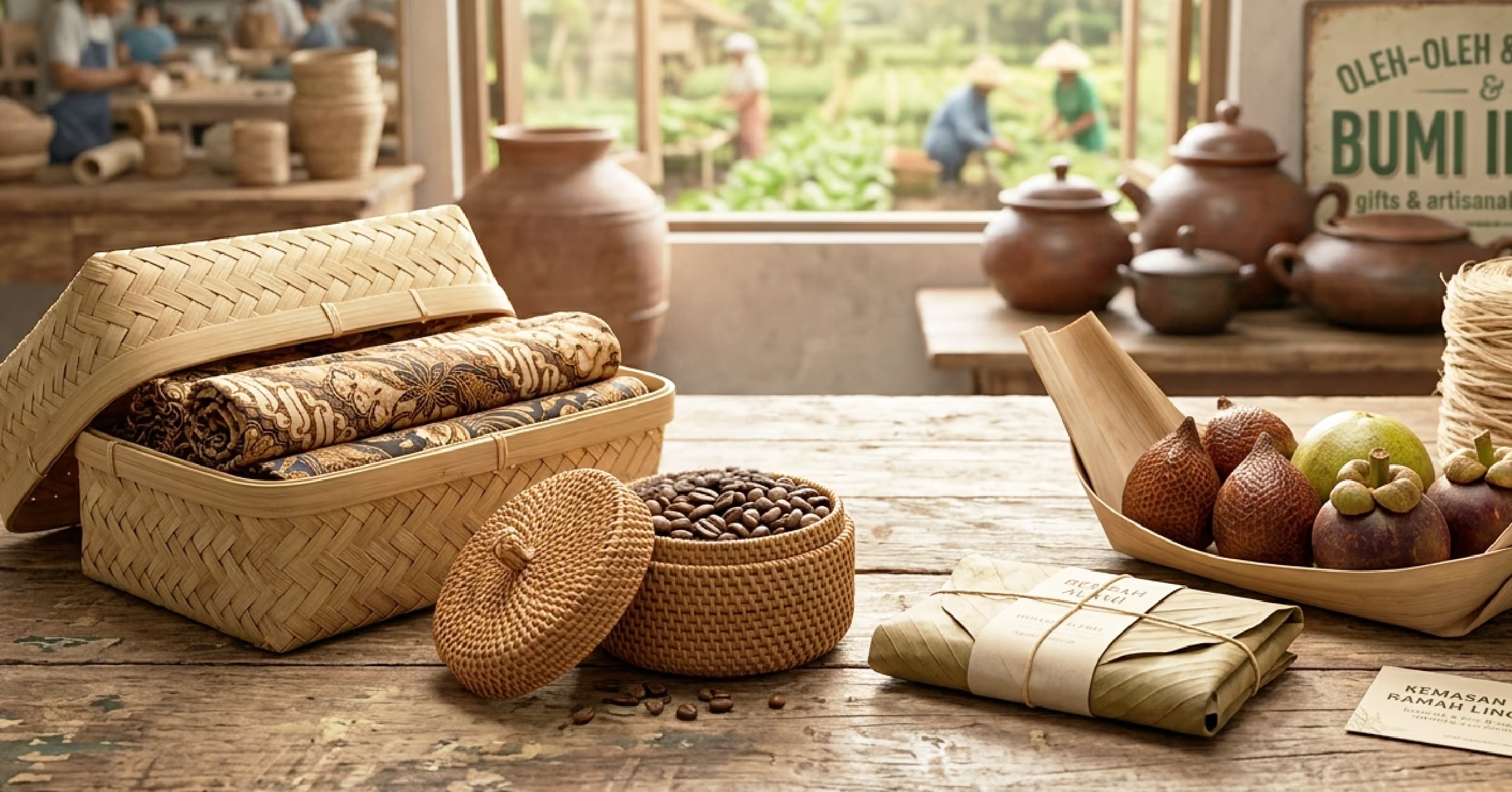
Indonesia has abundant natural resources that can be used as materials for environmentally friendly packaging.
Common examples include:
- Bamboo
- Rattan
- Banana leaves or banana stems
In addition to offering a distinctive aesthetic, natural materials can strengthen local identity while supporting the use of renewable resources.
Suitable for:
- Artisan and handcrafted products
- Souvenirs and gift items
- Agribusinesses
5. Minimalist and Reusable Packaging
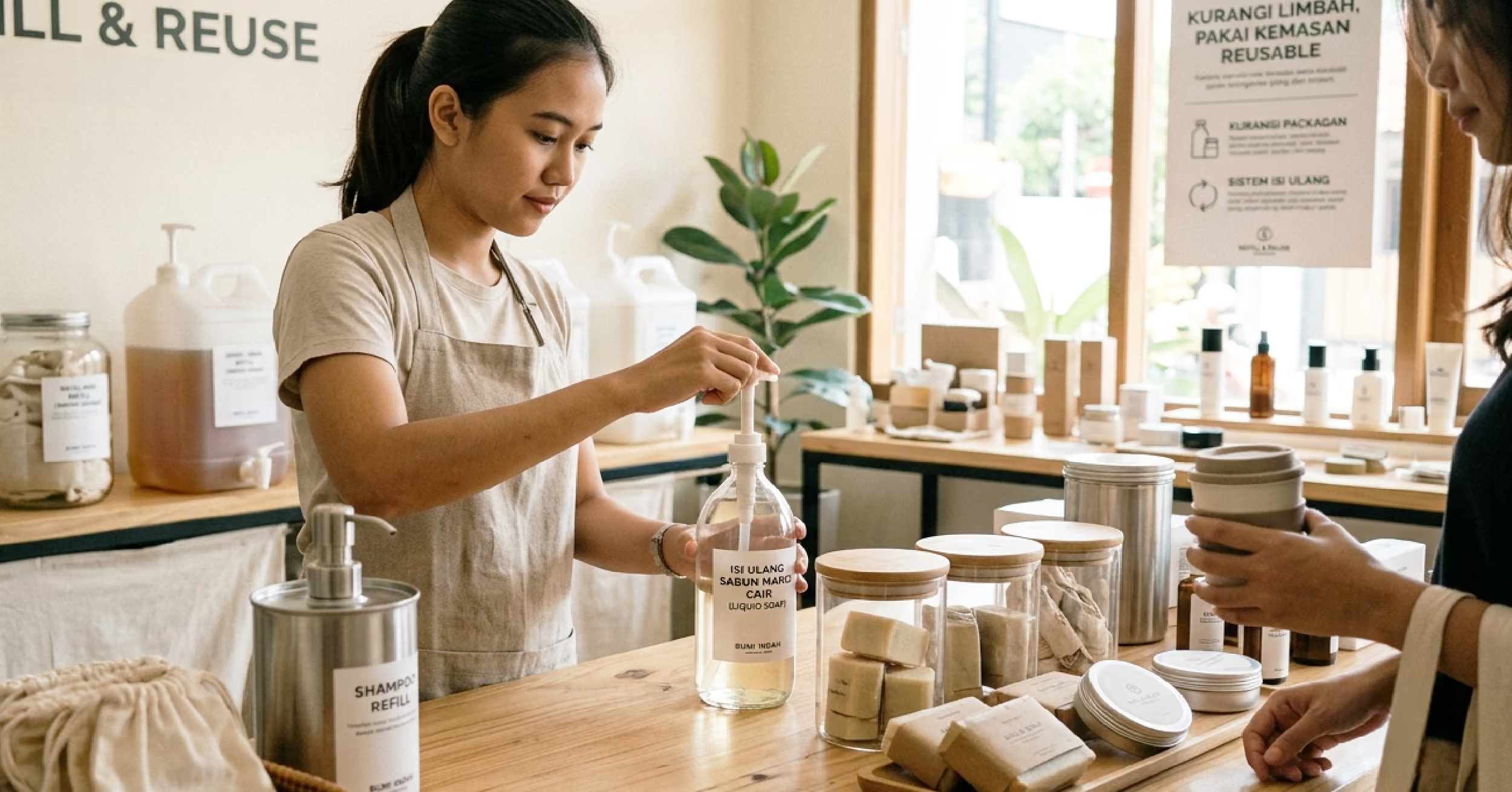
Not every packaging innovation requires new materials. In many cases, the most sustainable solution comes from simpler packaging design that can be reused.
Examples include:
- Reducing unnecessary layers of packaging
- Refill systems
- Reusable bottles or containers
- Multi-purpose packaging that can be repurposed after use
This approach not only helps reduce waste but can also improve material efficiency over the long term.
Suitable for:
- Beauty and cosmetics
- Personal care products
- Beverage brands
Switching to Sustainable Packaging? Consider These Factors
Before switching to sustainable packaging, businesses should consider several factors to ensure that the packaging continues to protect products while supporting day-to-day operations.
- Product Type
Choose packaging that matches the specific needs of your product, such as food, beverages, cosmetics, electronics, or electronic products.
- Packaging Durability
Make sure the packaging can protect products throughout the delivery process so that product quality is maintained.
- Production Costs
Consider the cost of using sustainable packaging and ensure it aligns with your budget and overall business strategy.
- Target Market
Understand your customers' preferences. For many consumers, eco-friendly packaging can be an added value twhen making purchasing decisions.
- Supplier Availability
Choose suppliers that can provide materials consistently to prevent disruptions to business operations..
- Distribution and Storage Efficiency
Consider size, weight, and design of the packaging to keep storage and shipping processes efficient.
Related article: Green Pantry: How DOKU Builds Corporate Sustainability Through Small, Meaningful Actions
Complete Your Sustainability Strategy with a Seamless Payment Experience
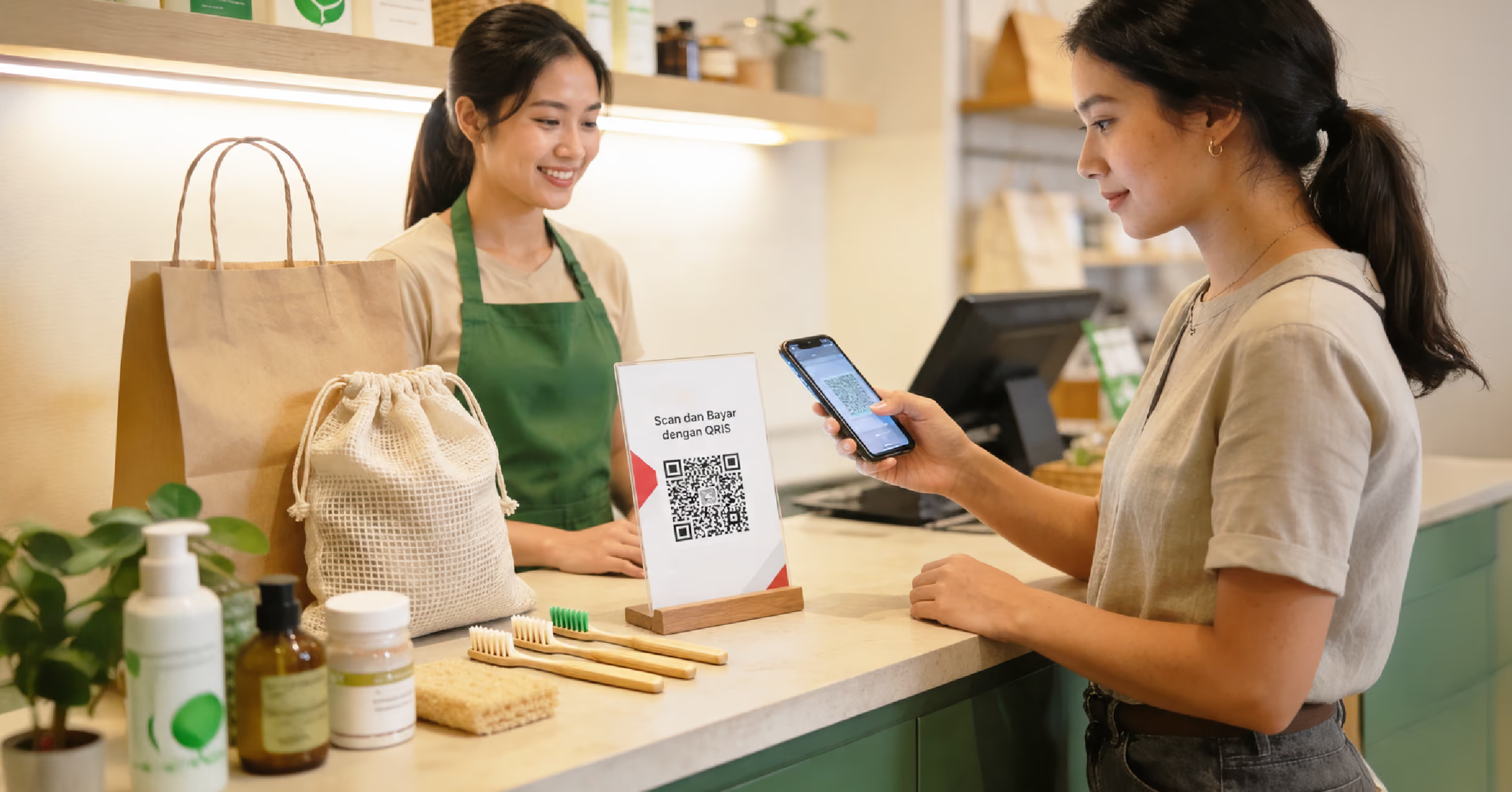
Sustainable packaging is more than just an environmental commitment, it has become an important part of the customer experience. Today, customers evaluate not only product quality but the entire purchasing experience, from the packaging they receive to a fast and convenient checkout process.
Customer experiences are increasingly shaped by digital convenience from a variety of cashless payment options and seamless digital interactions to faster checkout processes and reduced reliance on physical documents.
To achieve this, businesses need a payment system that supports fast transactions while simplifying operational management. As a payment fintech company, DOKU offers digital payment methods through a single integration, including QRIS, Virtual Accounts, debit and credit cards, e-wallets, and PayLater. This enables businesses to offer customers a more convenient checkout experience, and improve operational efficiency through payment digitalization.


