


Table of Contents

Key Takeways:
- Consumers are becoming more critical of a brand’s sustainability. They are now looking for tangible evidence and consistency between a brand’s sustainability narrative and its actual implementation.
- Greenwashing can severely damage brand trust and business reputation. Sustainability claims without real action risks losing customer loyalty.
- Building authentic sustainability starts with simple steps. By digitalizing business operations, waste reduction, and sustainable business practices help establish credible brand commitments.
"Does the brand genuinely care about sustainability, or is it simply using it as a marketing strategy?”
That question is increasingly on consumers’ minds today. They no longer simply compare product prices and quality, they also want to know how a business actually puts its environmental and social commitments into practice.
Unfortunately, growing consumer interest in sustainability has also been accompanied by an increasing number of "eco-friendly" claims that do not necessarily reflect actual business practices. This misleading phenomenon is known as greenwashing.
That is why businesses need to demonstrate sustainability commitments that are authentic, measurable, and transparent in order to build long-term brand loyalty.
Understanding Greenwashing in Business Sustainability
Greenwashing is the practice where a company or brand presents an eco-friendly image through marketing claims, campaigns, or packaging, without being supported by meaningful actions.. This tactic is often used to attract environmentally conscious consumers without genuinely reducing the environmental impact of the business’s operations.
Common Examples of Greenwashing in Business

Sustainability claims can help build a positive brand image. However, without facts and transparency, they risk being seen as greenwashing. Here are common misleading green practices businesses must avoid.
1. Sustainability Claims without Real Data
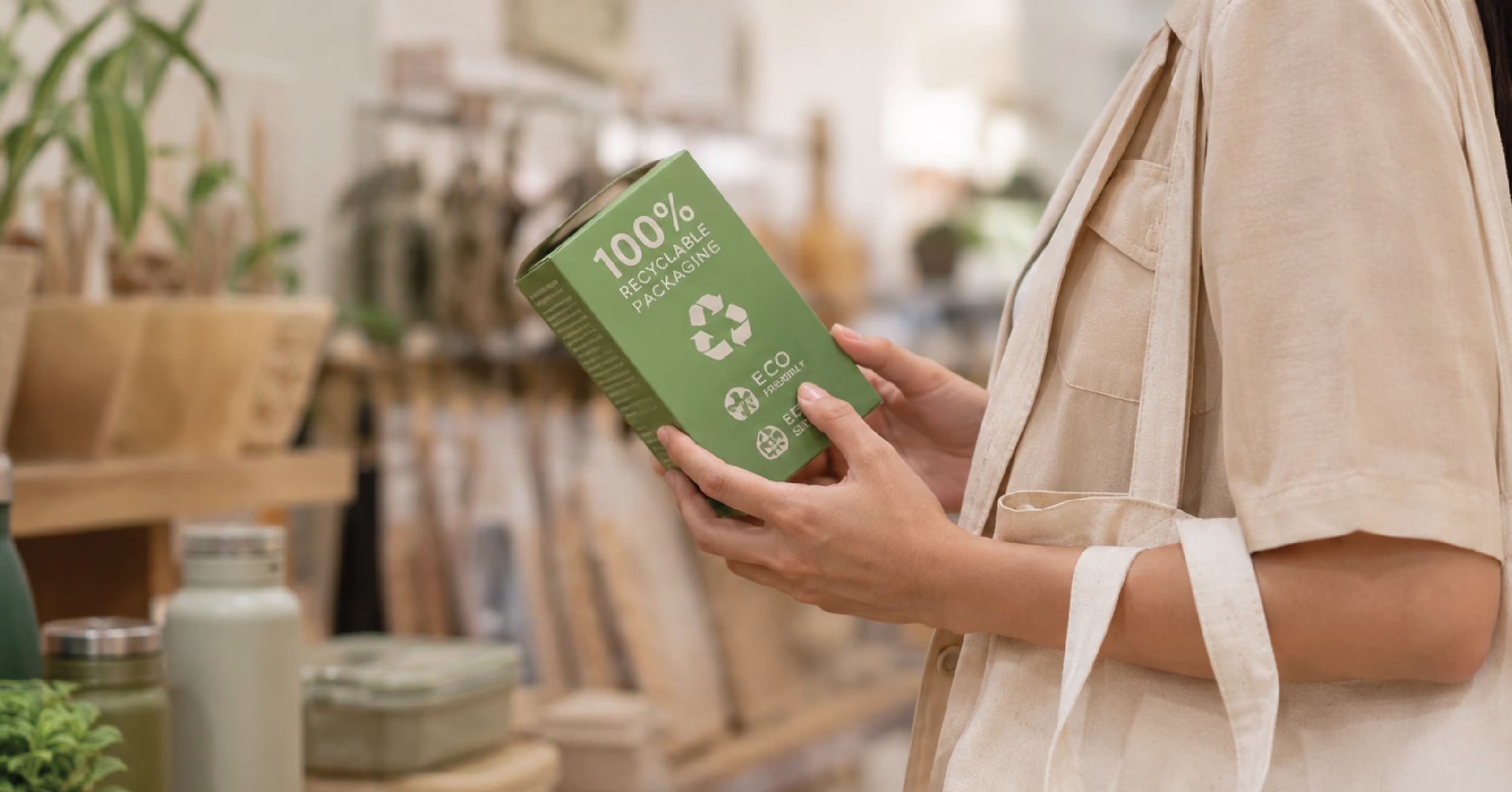
Using absolute claims like "100% eco-friendly" or "100% natural" without supporting data, certifications, or verifiable standards is one of the most common forms of greenwashing. Overly absolute claims often backfire, triggering consumer skepticism instead of trust.
- Better approach: Use specific and measurable claims. For example, "Our packaging uses 80% certified recycled materials" or "We eliminated paper waste by switching to digital invoicing." Clear claims are far easier for consumers to understand and trust.
2. Incomplete Sustainability Claims
A business might use recyclable packaging while its supply chain and manufacturing continue to generate heavy environmental impacts. Highlighting one small green initiative without full context creates a misleading impression
- Better approach: Keep your sustainability messaging proportional. If the business is still in the early stages of implementation, be transparent that these initiatives are part of an ongoing journey. Consumers tend to value honesty more than exaggerated overclaims.
3. Relying on "Go Green" Visuals for Marketing
Using green colors, leaf icons, earth imagery, or "go green" slogans are often used to build an eco-friendly perception. However, these visual elements do not always reflect real sustainability practices behind a product or service.
- Better approach: Ensure every message and visual directly reflects initiatives your business has actually implemented. Sustainability should be built through real action, not merely used as a marketing element.
4. Setting Big Goals without a Clear Action Plans
Commitments like "net-zero emissions by 2050" sound impressive. However, without a clear roadmap and measurable short-term targets, consumers and business partners will find them hard to believe.
- Better approach: Set realistic and measurable targets. Start with simple actions that can be implemented today, such as reducing paper usage through e-receipts and digital invoicing, reducing physical promotional materials, or improving operational efficiency. Report your progress regularly to make your sustainability commitment credible.
As more consumers become critical of how brands approach sustainability, they are no longer looking only at the messages being communicated. Also pay attention to the evidence and consistency of how those commitments are implemented in day-to-day business operations.
What Are the Risks of Greenwashing for Businesses?
Greenwashing can affect consumer trust and business sustainability in the long term. Here are several risks businesses should be aware of:
- Damaged Brand Image or Reputation: Once false claims are exposed, consumer trust is shattered and exceptionally hard to rebuild in the long run.
- Consumer Boycotts and Lost Brand Loyalty: Young consumers (Gen Z & Millennials) actively check product backstories today and won't hesitate to boycott manipulative brands.
- Financial Losses: Businesses may face the loss or cancellation of partnerships with investors or business partners that apply ESG (Environmental, Social, and Governance) principles.
How Businesses Can Build Sustainability through Simple Habits

Building a more sustainable business doesn't always require significant investments or complex programs. In fact, small steps taken consistently in daily operations create real impact and are much easier to prove.
Here are a few simple ways your business can get started:
1. Reducing Paper Waste in Business Operations
Start by digitizing paper-based administrative processes. Simple steps you can take include:
- Using e-invoices and e-receipts.
- Switching to digital contracts and electronic documents.
- Leveraging e-signatures for approval processes.
- Storing documents digitally using secure cloud storage.
Besides helping reduce paper waste, this makes business operations more efficient and easier to manage.
2. Create a More Digital Customer Experience
Digitizing the customer journey can also be part of a business’s sustainability. Businesses can provide a more convenient customer experience by adopting:
- Digital catalogs to showcase products or services.
- Implementing QR code menus for F&B businesses.
- Online reservation and booking systems.
- Cashless and paperless payment options.
These steps not only reduce the use of printed materials but can also create a more seamless customer experience. By using a payment gateway to offer a variety of digital payment methods, businesses can indirectly support sustainable practices by reducing paper usage.
3. Reduce Excess Waste
Sustainability is also closely connected to operational efficiency. Here are a few key areas to evaluate include:
- Reducing excessive packaging.
- Managing inventory effectively to avoid overstocking.
- Minimizing single-use materials that turn into waste.
- Reducing and managing food waste (for F&B businesses).
Reducing waste not only benefits the environment, but can also help businesses lower their operational costs.
4. Use More Eco-Friendly Promotional Materials
Instead of printing massive amounts of physical promo materials, your business can take advantage of various digital channels, such as:
- Building your own dedicated business website.
- Developing business social media channels.
- Leveraging strategic email marketing campaigns.
- Using digital catalogs connected to the latest product information or promotions.
Besides being more flexible and easier to update, this approach can also help reduce waste from promotional materials that are only used for a limited period of time.
5. Build Consistent Sustainability Habits
Sustainability doesn't always require massive initiatives. Businesses can start with simple habits practiced consistently, such as:
- Reducing single-use plastics in the workplace.
- Conserving electricity and energy.
- Implementing simple waste sorting systems in the office.
- Educating employees on sustainable habits in their daily routines.
Small steps taken consistently can ultimately create a more meaningful and long-lasting impact.
Sustainability Starts with Simple Steps

Ultimately, sustainability is not about making the biggest claims. It's about running a business more responsibly every day. Today's consumers value authentic commitment far more than ambitious promises that are hard to prove.
Adopting sustainable practices does not have to begin with major changes. Simple steps tailored to your daily operations create a strong foundation for a more credible, efficient, and sustainable business.
At DOKU, we believe that sustainability is a long-term journey built through real action and consistency. That’s why our commitment to sustainability is also reflected in initiatives such as the Green Pantry initiative. Want to learn about how DOKU puts its sustainability commitment into action?
Check out this page to learn more about DOKU’s sustainability initiatives.


