


Table of Contents

Key Takeways:
- QRIS Payment is used to receive merchant payments, while QRIS Transfer is used to transfer funds between users or personal accounts.
- Many fraud schemes exploit merchants' lack of understanding regarding the difference between QRIS Payment and QRIS Transfer.
- Stay protected by using official QRIS, always verifying incoming transactions, and ensuring staff understands the correct QRIS payment flow.
Did you know that there are actually two types of QRIS, each serving a different purpose: QRIS Payment and QRIS Transfer?
Although they may look similar at first glance, they are designed for different transaction purposes and work in different ways. Misunderstanding these functions has become a common factor in various digital fraud schemes targeting both businesses and everyday users.
So, what exactly is the difference between QRIS Payment and QRIS Transfer?
Difference between QRIS Payment and QRIS Transfer
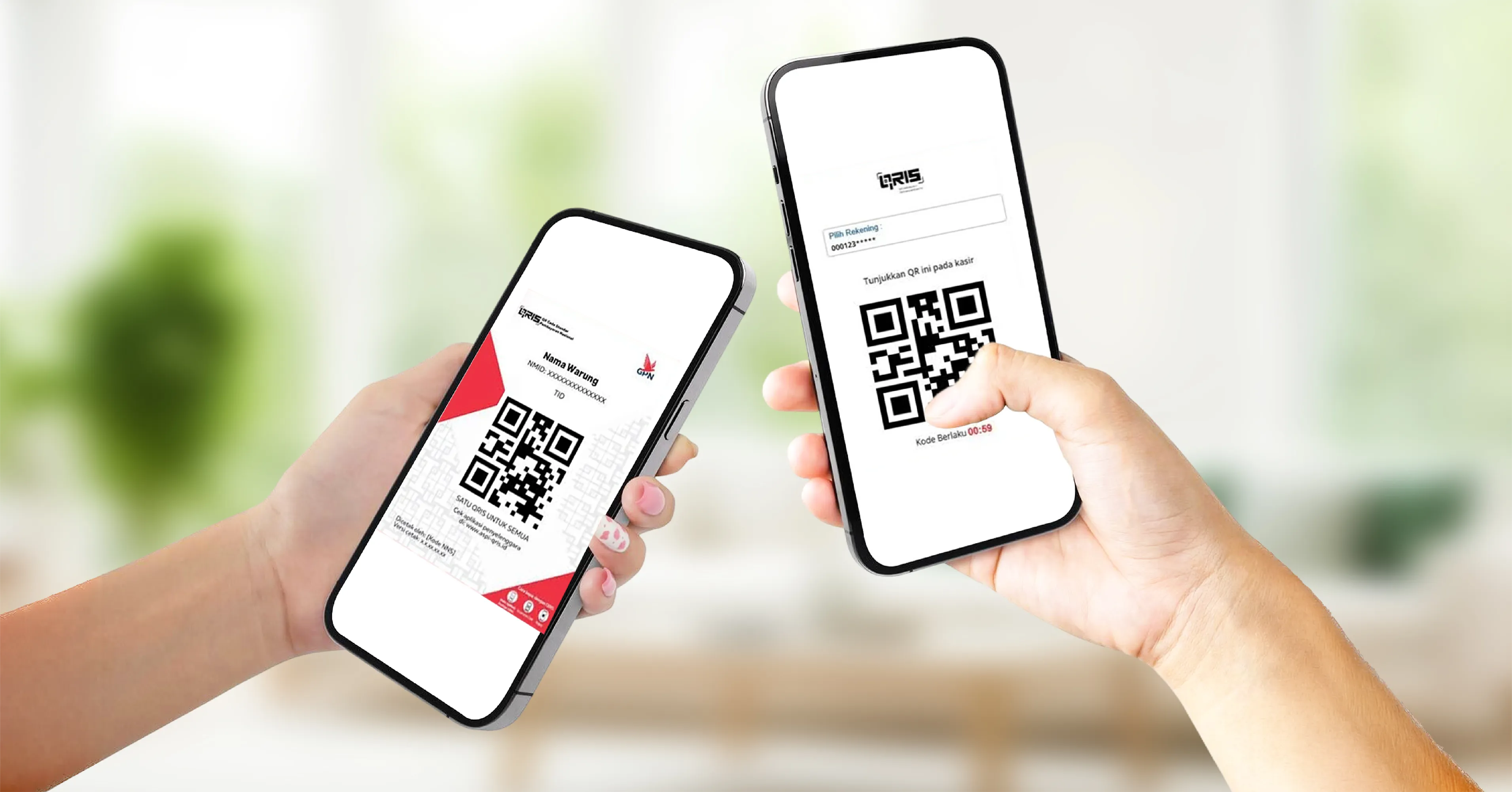
Although both use QR codes, QRIS Payment and QRIS Transfer differ in terms of functionality, transaction flow, and intended use.
What is QRIS Payment?
QRIS payment is used for payment transactions between customers and merchants. It's commonly used at convenience stores, coffee shops, restaurants, and similar businesses.
QRIS Payment has two methods:
- Merchant Presented Mode (MPM): The merchant displays a QR code, and the customer scans it. This method is most commonly used in small businesses, restaurants, coffee shops, and retail.
Transaction flow:
- Customer scans the merchant's QR code
- Customer enters the payment amount (or it appears automatically)
- Customer confirms payment via their mobile banking or e-wallet app
- Payment is deposited into the merchant's account
- Consumer Presented Mode (CPM): The customer displays a QR code from their payment app, and the merchant scans it using a scanner or POS system.
Transaction flow:
- Customer opens the payment QR in their app
- Merchant scans the customer's QR code
- The payment amount is processed through the cashier/POS system
- Customer confirms the transaction
- Payment is deposited into the merchant's account
What is QRIS Transfer?
Unlike QRIS Payment, which is used to receive payments from customers, QRIS Transfer is used to transfer funds between users or accounts. This QR code is typically generated through a mobile banking app or personal e-wallet and is used to receive money transfers, not merchant transactions.
Because it looks nearly identical to QRIS Pay, many users don't notice the difference. However, when a QR transfer is scanned, the system interprets the transaction as a transfer of funds from the scanner's account to the QR owner's account. This is often exploited in fraudulent schemes, especially when users don't carefully review the transaction details before proceeding with the payment.
Easy Ways to Differentiate QRIS Payment and QRIS Transfer
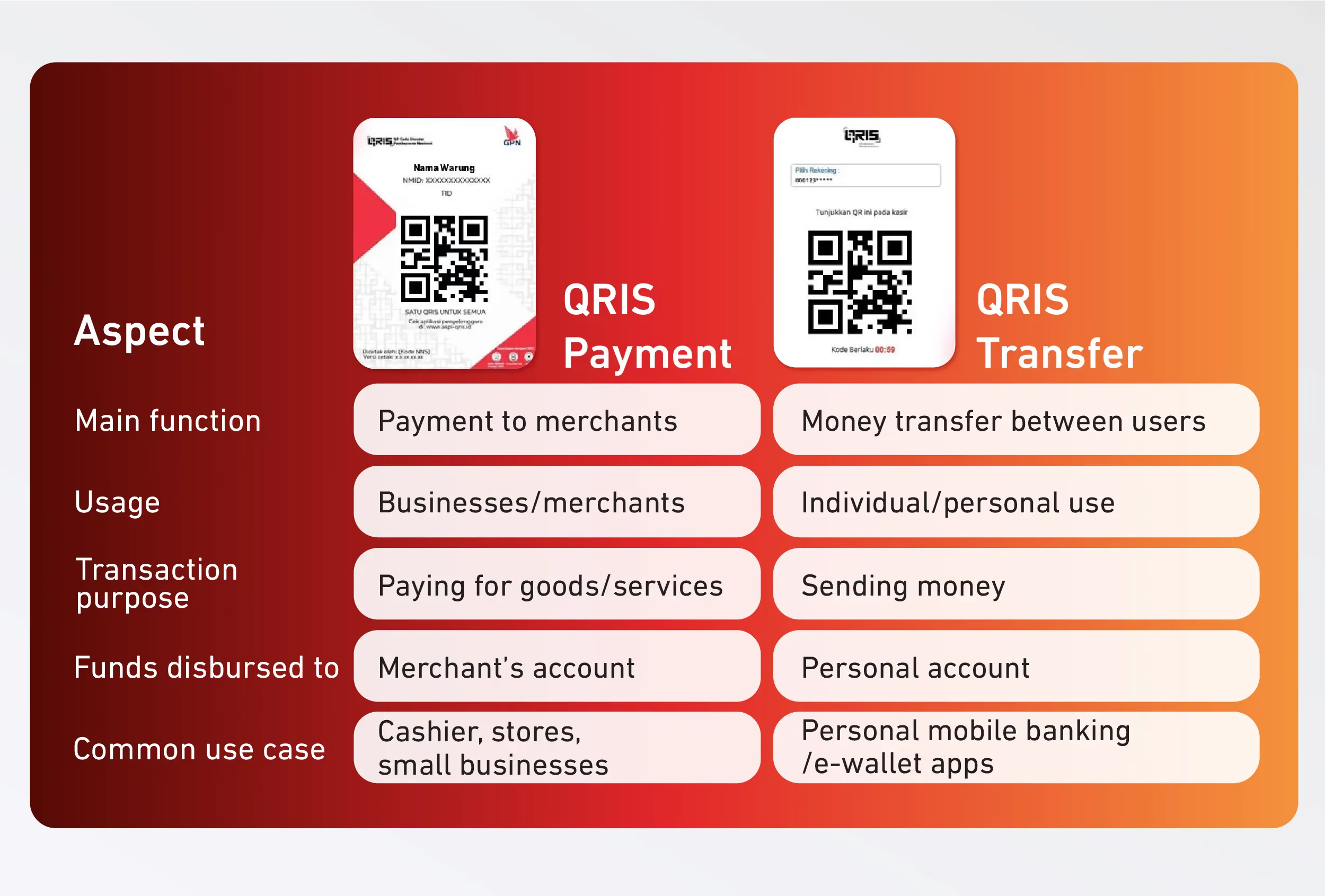
The easiest way is to look at the purpose of the transaction and the following other differentiating aspects:
Meanwhile, QRIS usage continues to grow rapidly in line with the rising trend of cashless transactions in Indonesia. According to Bank Indonesia's website, as of February 2026, QRIS had reached more than 60.77 million users and was used by 44 million merchants. In the first quarter of 2026 alone, QRIS transactions grew by 116.43% year-on-year.
Why Do You Need to Understand the Difference?
Many fraud cases occur because business owners do not understand whether the QR scanned is a QRIS payment or a QRIS transfer.
Fraudsters usually take advantage of situations such as:
- Rushing to complete a transaction
- Long queues at checkout
- Merchants not checking incoming payment notifications
- Victims not reading transaction details carefully
As a result, the victim ends up transferring money directly to the fraudster.
When QRIS is Misused for Fraud
As reported by Kompas.com in June 2025, a business owner lost Rp 2 million due to misunderstanding how QRIS works.
In that case, the fraudster, posing as a customer, asked the merchant for a QR code from their bank account to make a payment. After the merchant provided the QR and entered their PIN, Rp2 million was deducted from their business account.
It was later discovered that the fraudster had allegedly exploited a merchant's misunderstanding regarding the difference between QRIS payment and QRIS transfer. Instead of accepting the payment, the merchant unknowingly authorized the transaction, resulting in funds being withdrawn from their own account.
This case serves as a reminder that businesses need to better understand the function of each type of QRIS to avoid falling victim to digital fraud.
In general, fraud schemes that exploit QRIS Transfer follow this pattern:
- The fraudster pretends to be a customer and requests payment via QRIS from their personal mobile banking account.
- The merchant opens the QRIS transfer or "Display QRIS" feature in their bank app without realizing the difference between it and QRIS Payment.
- The QR code is then scanned by the fraudster or used in the transaction process.
- When the merchant enters the PIN or approves the transaction, the funds are transferred from the merchant's account to the perpetrator's account.
Tips to use QRIS Safely for Business

To protect your business from fraud schemes that exploit QRIS, here are some practical tips:
a. Use official QRIS from a trusted provider
Ensure the QRIS you use is registered and supervised by Bank Indonesia for safer and more reliable transactions.
b. Understand the difference between QRIS Payment and QRIS Transfer
Many fraudulent methods exploit business owners' lack of understanding regarding the functions of these two types of QRIS. Understanding the differences can help businesses avoid transaction errors.
c. Always verify transactions before handing over goods
Don't rely solely on a customer's screenshot as proof of payment. Confirm that payment was actually successful through an official notification.
d. Monitor transactions regularly and use a clear tracking system
Regularly check transaction history and use a payment system that provides real-time notifications to make suspicious activity easier to detect.
e. Educate cashiers and avoid sharing business QRIS cards carelessly
Ensure staff understand how QRIS works and the characteristics of successful transactions. Additionally, avoid sharing QRIS or business account information with unauthorized parties.
The larger a business's digital transactions, the greater the risk of transaction errors and fraudulent methods. Therefore, understanding the difference between QRIS payment and QRIS transfer is crucial for businesses to conduct safer transactions and avoid financial losses. To support more practical and secure transactions, DOKU provides an integrated QRIS service that helps businesses accept digital payments with multiple apps with ease.


