



Table of Contents

Key Takeways:
- PCI DSS (Payment Card Industry Data Security Standard) is an international security standard designed to protect payment card data.
- The PCI DSS standard helps merchants, payment gateways, banks, and other entities in the payment ecosystem implement consistent security practices.
- Choosing a payment partner certified in PCI DSS helps businesses provide secure card transactions while strengthening customer trust.
For customers, making a payment may take only a few seconds. They enter their card details, click ‘pay’, and wait for the transaction to succeed. However, the decision to complete a payment does not rely only on checkout convenience. There is one often invisible yet crucial factor: how safe customers feel when entering their payment details information.
When customers input their card numbers on a checkout page, they are entrusting sensitive information to the system used by the business. When the process feels seamless and secure, it can help build trust in the business. On the other hand, a suspicious experience or security incident can cause customers to think twice before transacting again.
This is why payment security is not just a technical matter. For businesses, it also affects how customers perceive and trust a brand.
Why Does Card Data Need Protection?

Payment information is considered sensitive data and requires strong protection. Card numbers, cardholder names, expiration dates, and security codes (CVV) can easily become targets for misuse if not managed properly.
The risks also extend beyond customers. When a security incident occurs, a business may face:
- Increased risk of fraud or unauthorized transactions
- Operational losses resulting from security incidents
- Loss of customer trust and brand reputation
This last impact often takes much longer to recover from. Customers may be able to replace an affected card; but restoring their confidence that a business can properly protect their data is an entirely different challenge.
That is why payment security should be viewed as part of customer trust, not simply as the responsibility of the IT team.
Security That Is Not Always Visible to Customers
Behind a single card transaction, various entities operate within a unified payment ecosystem. From merchants, payment gateways, and banks to international card networks, each plays a vital role in processing transactions.
Customers may not know exactly what happens behind the scenes; however, they still experience the outcome:
- Does the payment process run smoothly?
- Do they feel safe entering their card details?
- Are they confident their payment information is handled properly?
This is why businesses need to ensure that the systems and partners supporting their payment processes maintain appropriate security standards. One of the global standards for protecting cardholder is the Payment Card Industry Data Security Standard (PCI DSS).
Read More: How to Comply with Card Data Security Standards in Indonesia?
Why PCI DSS Matters and Its Role Behind Customer Trust
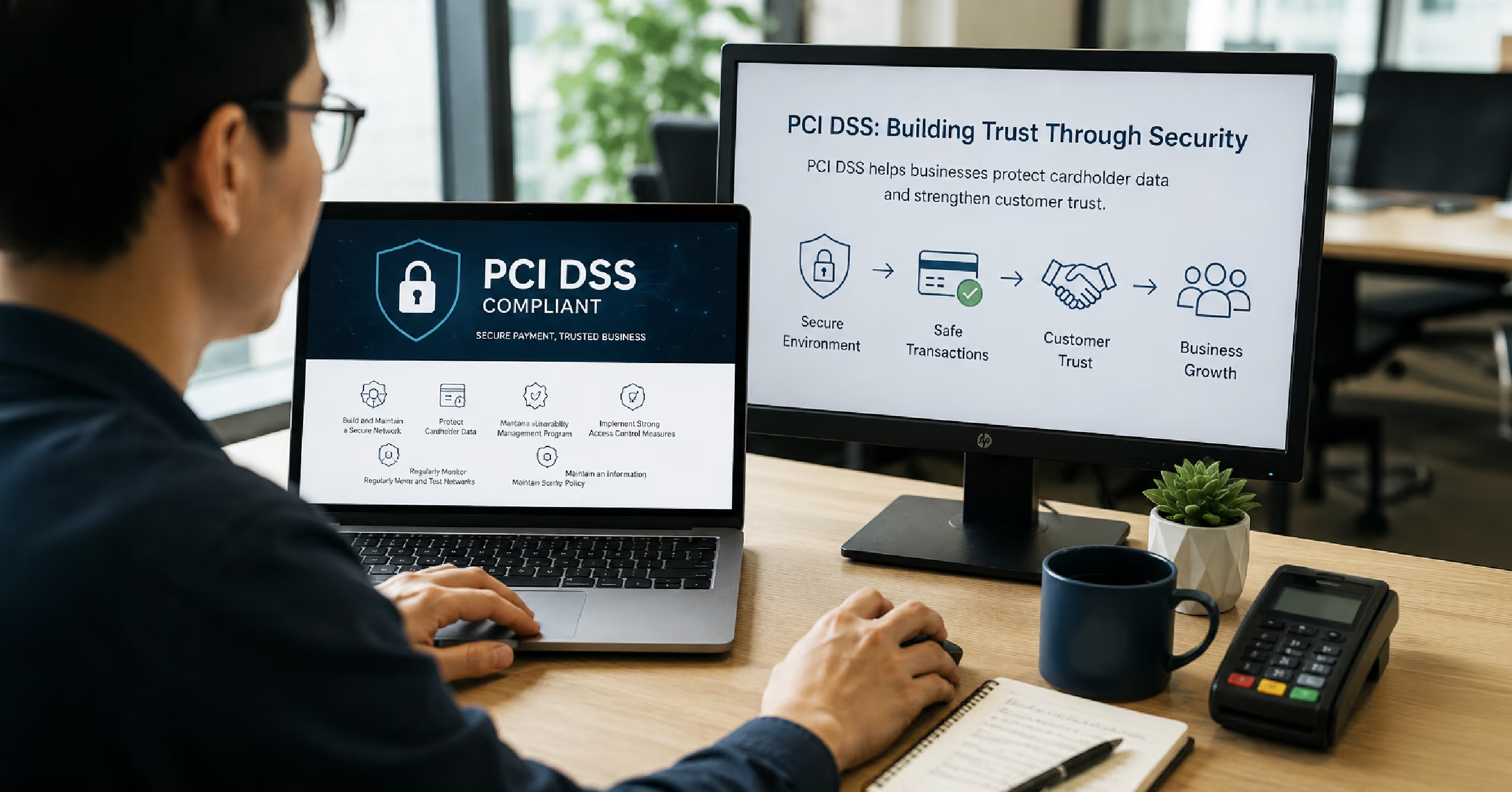
PCI DSS is a global security standard designed to strengthen the protection of payment card data while promoting consistent security practices across the entire payment ecosystem. It helps establish security measures behind the payment experiences that customers rely on.
For some business owners, PCI DSS may sound like a technical term relevant only to the IT team. However, its benefits are closely connected to everyday business operations.
1. Helping Reduce Security Risks
No system can guarantee zero risk. However, implementing strong security standards helps minimize the potential for misuse or payment data breaches.
2. Creating a Sense of Security During Transactions
Customers are increasingly aware of how their personal data and payment information are managed. When the payment process is supported by the right security practices, customers can feel more confident entering their card details and completing transactions. This sense of security becomes a key part of the customer experience that strengthens brand trust.
3. Maintaining Customer Trust and Business Reputation
Transaction security is part of the customer experience. When customers are confident that their payment information is handled properly, trust in the business is preserved. Conversely, an incident involving payment data can affect customer perception and long-term brand reputation. Therefore, prioritizing data protection is essential to maintaining strong customer relationships.
Transaction Security Is an Investment in Trust
Ultimately, transaction security is not just a technology matter, it is also part of a business strategy for building customer trust.
Therefore, when choosing a payment partner, businesses should consider more than service fees, available payment methods, or ease of integration.
If your business accepts card payments, partnering with a PCI DSS-certified service provider is a crucial step toward establishing more trusted transactions.
As a fintech payment company and payment gateway pioneer in Indonesia certified with PCI DSS, DOKU is committed to implementing international security standards in processing credit card transactions across various global card networks. With this support, businesses can provide a more secure payment experience for customers while strengthening trust in every transaction.


