



Table of Contents

Key Takeways:
- The C2C business model enables businesses to build digital platforms connecting sellers and buyers without having to maintain their own product inventory.
- Marketplaces, preloved item platforms, and social commerce are examples of C2C business models that continue to grow in the digital economy era.
- A secure and reliable payment infrastructure is key to building user trust and supporting the long-term growth of C2C business platforms.
Online shopping has become a part of daily life. From daily necessities and collectible items to preloved products, nearly all online transactions today connect buyers with thousands or even millions of sellers within a single platform.
This phenomenon shows that marketplaces serve not only as places to shop online, but also as platforms that connect sellers and buyers. Behind that convenience of online shopping experience lies a business model that enables transactions between individuals to take place seamlessly: Consumer-to-Consumer (C2C).
Understand the C2C Business Model and How It Works
The C2C business model is a platform-based business model that does not require the business to sell its own products, but instead provides an ecosystem that enables users to buy and sell products as well as services digitally.
In this business model, the platform acts as an intermediary providing a space for users to list products, communicate, and complete payment transactions. In general, the C2C business model works as follows:
- Sellers list their products or services
- Buyers search for and select items
- Transactions are completed securely through the platform
- Sellers ship products or deliver services
- Transactions are completed
Examples and Opportunities in the C2C Business Model

The C2C business model can be found across various digital industry sectors. Some examples include:
1. C2C Marketplaces
Platforms that connect individual sellers with buyers online. Examples include:
- Marketplaces for preloved products.
- Platforms for buying and selling collectibles and hobby-related items.
- Freelance and digital service marketplaces
The growing trend toward a circular economy and more sustainable lifestyles has also contributed to the growth of resale platforms. Consumers are no longer only looking for new items, but also seek out secondhand products that maintain good quality at more affordable prices.
3. Peer-to-Peer Service Platforms
The C2C model also extends into service-based industries, such as:
- Graphic design services
- Private tutoring
- Online consulting
- Freelance work
- Peer-to-peer item rentals
4. Social Commerce
Social media is also increasingly being used for transactions between users. Business actors as well as individuals can sell products directly through digital channels and accept payments online.
Read More: Expanding Coffee Shop Business? Manage Your Petty Cash Efficiently
Key Advantages of the C2C Business Model

The C2C business model offers various benefits, both for users and business actors developing digital platforms.
1. Lower Operational Costs
Platforms do not need to maintain product inventory like conventional retail business models. Business focus can be directed toward technology development and user experience.
2. High User Growth Potential
The more users that join, the greater the opportunities for transactions to occur. The network effect is one of the primary advantages of the C2C business model.
3. Product and Service Flexibility
Platforms can accommodate a wide range of product and service categories without having to manufacture items directly.
4. Diverse Monetization Opportunities
Businesses can generate revenue through various schemes, such as:
- Transaction service fees.
- Seller subscriptions.
- Premium features.
- Product promotion fees.
- Sales commissions.
The Role of the Payment System in Supporting the C2C Ecosystem
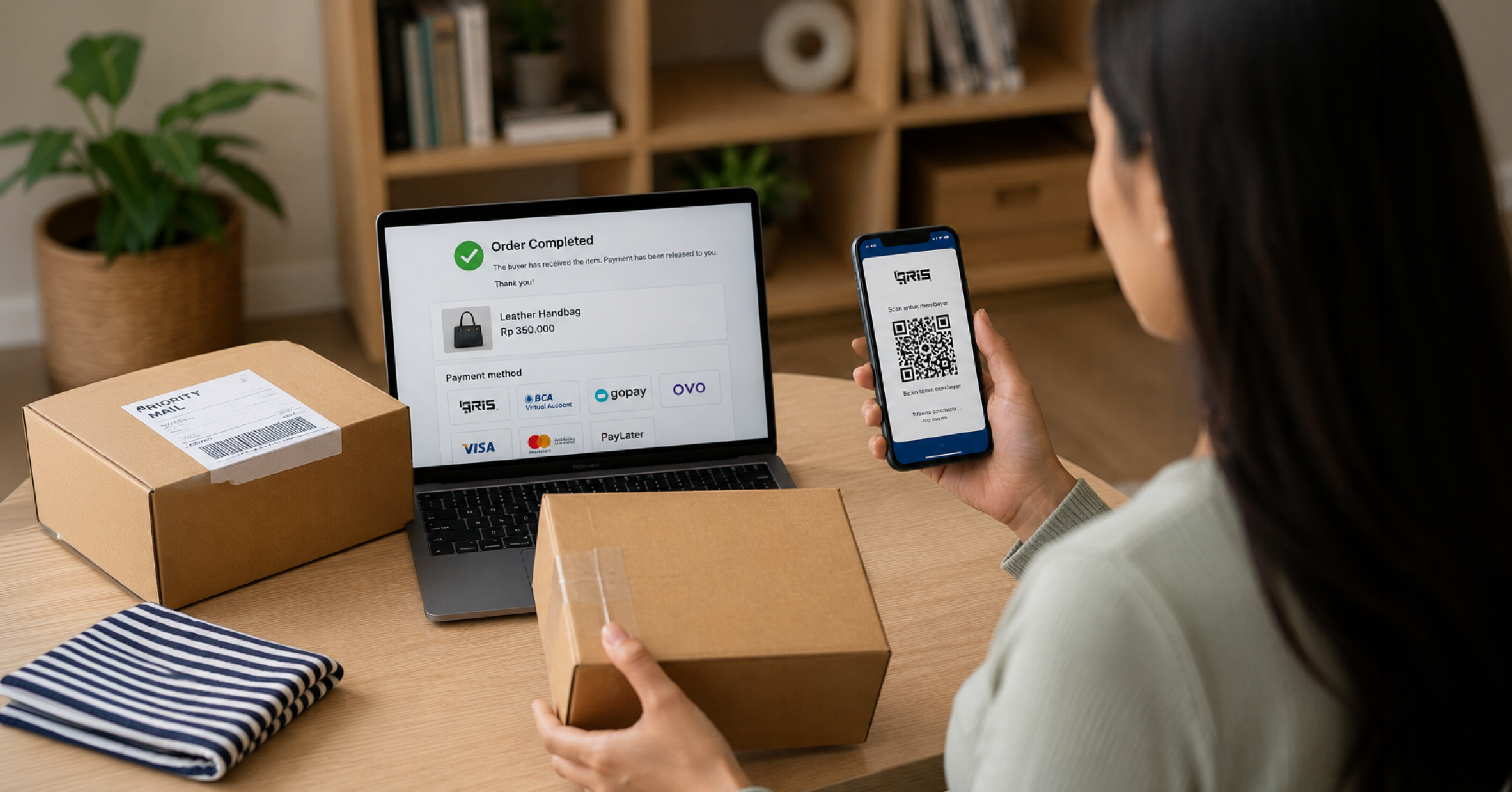
The greatest challenge in the C2C business model lies in one thing: trust in the transaction process. This is where digital payment infrastructure plays a crucial role.
Systems such as escrow or joint accounts, where buyer funds are temporarily held by a third party until the items are properly received, serve as a common solution to mitigate fraud risks. Additionally, support for various payment methods, from QRIS, virtual accounts, e-wallets, to credit/debit cards and PayLater can help platforms reach a broader user base, as the payment preferences among Indonesian consumers are increasingly diverse.
If you are building or expanding a C2C platform, choosing a reliable payment partner is a key strategic decision. The right payment infrastructure not only helps ensure smooth transactions, but can also:
- Enhances user trust in the platform
- Reduces failed payment rates
- Simplifies financial reconciliation and reporting
- Provides flexible payment methods
DOKU, as a payment fintech company and payment gateway, provides digital payment solutions that support the needs of various business scales. For C2C platforms, the ability to process incoming payments from buyers while efficiently and securely disbursing funds to thousands of sellers is essential for future business growth.
Thousands of sellers, millions of transaction opportunities. Is your platform ready to accept digital payments?


