



Table of Contents

Key Takeways:
- Understand your business needs before selecting a QR code payment solution and the right type of QRIS.
- Consider integration, settlement, and service fees to ensure your QR code payment solution supports business operations optimally.
- Choose an official and trusted payment service provider to deliver a secure and seamless transaction experience for customers.
QR code payments such as QRIS have become one of the most widely used digital payment methods across various business scales in Indonesia due to their convenience for customers. Adoption continues to rise, with around 44 million merchants in Indonesia using QRIS as of the first quarter of 2026. This shows that QRIS has become an essential part of the national digital payment ecosystem and is increasingly trusted by business owners.
Before Using QRIS, Here's What You Need to Know
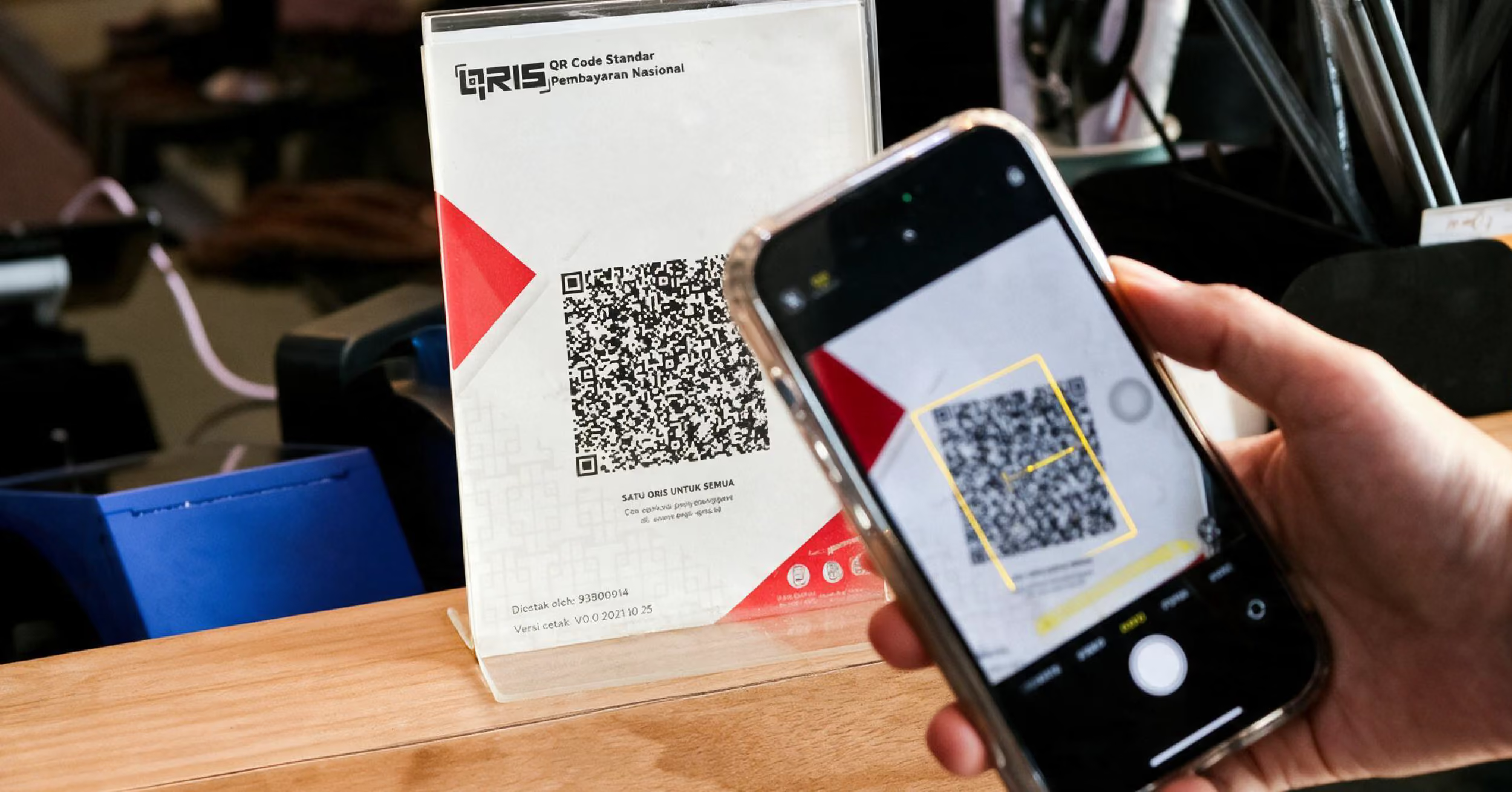
Before starting to accept payments through QRIS, ensure you understand the following important aspects so that the chosen payment solution aligns with your business needs.
1. Choose the Right QRIS Type for Your Business
There are two main types of QR code payments:
- Static QRIS: A payment QR code where the payment amount is entered by the customer during the transaction. This type is suitable for businesses with varying prices or MSMEs.
- Dynamic QRIS: A payment QR code that automatically displays the transaction amount according to the purchase. This type is more practical for high-volume transaction businesses because it minimizes input errors.
Understanding business operational needs will help determine the most suitable type of QR code.
2. Ensure QRIS Integrates Easily with Your Business Systems
As a business grows, its payment needs become more diverse and are no longer limited to accepting transactions in physical stores. Therefore, consider a digital payment service provider that enables QRIS integration across various sales channels, such as:
- Website
- Application
- Point of Sale (POS) system
- Digital invoice
- E-commerce platform
With an integrated payment system, the transaction recording process becomes more efficient and business financial management becomes easier.
Read More: The Role of G2G Collaboration Behind QRIS Growth
3. Consider How Quickly Funds Are Settled
For a business, accepting payments is only the first step. It is equally important to know when the proceeds from transactions will be received.
Before choosing a payment solution, make sure you understand:
- How long does the settlement process take?
- Is settlement processed daily?
- How does the transaction reconciliation process work?
- Is there an easy-to-monitor transaction dashboard?
Transparent and timely settlement can help businesses manage cash flow more effectively.
4. Review the Service Fee Structure
Before choosing a payment service provider, learn about the applicable fee structure first. Some aspects to consider include:
- What is the QRIS Merchant Discount Rate (MDR)?
- Are there any payout or settlement fees?
- Are there additional service or maintenance fees?
Besides service fees, also consider the benefits and services that will help the business grow in the long term.
5. Choose a Licensed and Trusted QRIS Service Provider
Although QRIS follows the same standard, the business experience in managing payments can vary depending on the chosen service provider. Therefore, make sure you use a trusted payment service provider. Beyond security aspects, choosing the right payment partner can also provide convenience in business operations, ranging from the onboarding process and transaction management to responsive customer support.
DOKU is a payment partner providing a range of digital payment acceptance solutions for businesses, including QRIS. As a payment fintech company and payment gateway pioneer that operates in accordance with industry standards, DOKU helps businesses accept QRIS payments seamlessly through a single integration, allowing you to focus more on growing your business.


