


Table of Contents

Key Takeways:
- Pharming is a type of cyberattack that redirects users to a fake website, even when they enter the correct web address.
- A successful pharming attack can lead to customer data theft, financial losses, and damage to a business's reputation and customer trust.
- Pharming typically works by manipulating the Domain Name System (DNS) through techniques such as DNS poisoning, malware that modifies a device's hosts file, or DNS hijacking that compromises a router's DNS settings, redirecting users to fraudulent websites.
Many of your customers visit your online store ready to check out, confident they're on the right payment page. But without realizing it, they could end up entering their payment details on a fake website that looks almost identical to yours, allowing cybercriminals to steal their information.
What's even more concerning is that customers often don't realize they've been scammed. To them, they were simply making a purchase from your brand.
That's why cyber threats like pharming are something every business with a website and online payment system should take seriously.
What is Pharming?
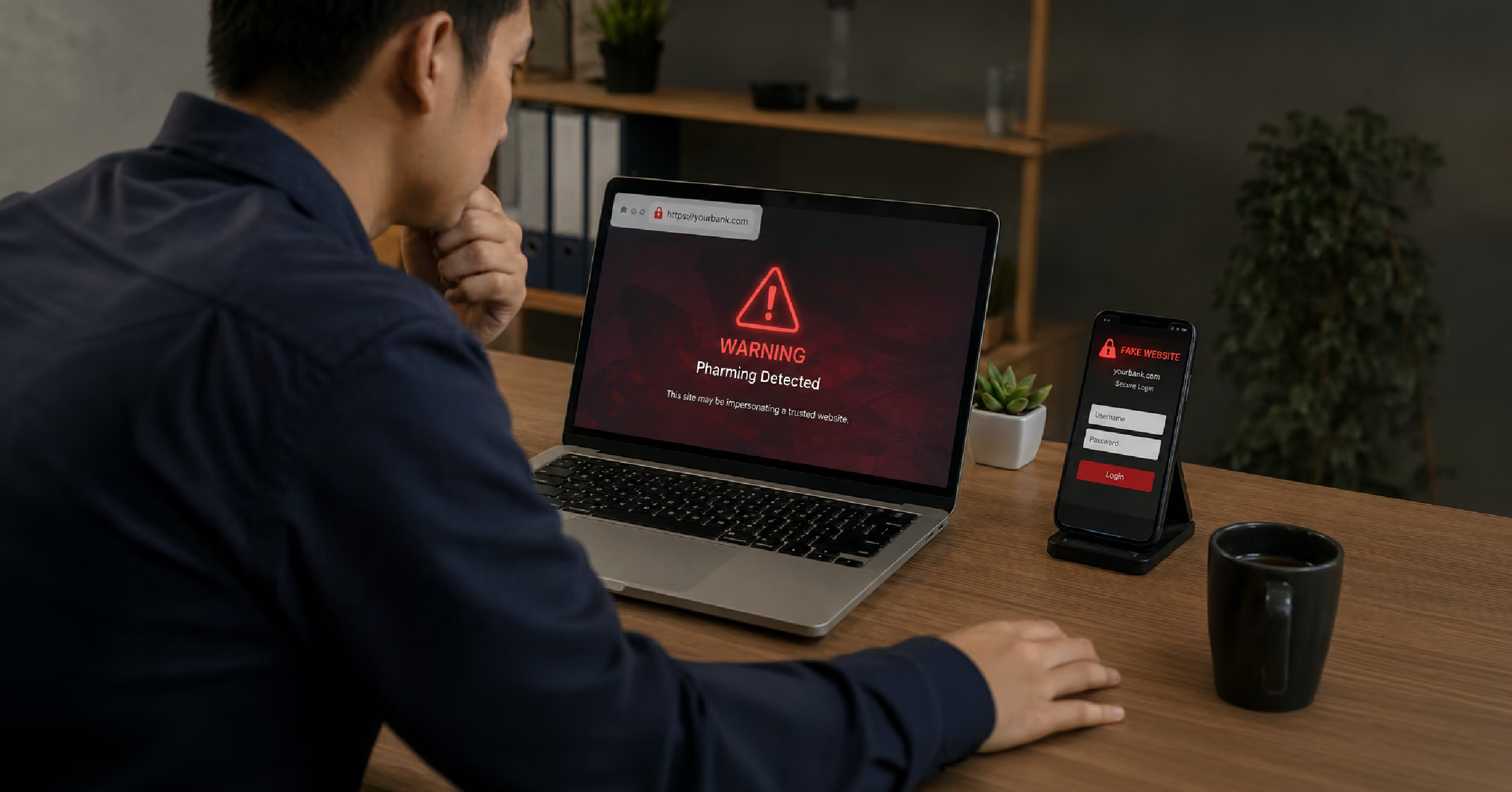
Pharming is a combination of the words "phishing" and "farming." It's a type of social engineering cyberattack that manipulates the Domain Name System (DNS), redirecting users to fake websites without their knowledge.
Unlike phishing, which typically relies on suspicious emails or malicious links to trick victims, pharming can happen even when users type the correct website address into their browser.
As a result, customers may unknowingly:
- Enter their usernames and passwords.
- Share personal information.
- Submit payment details.
- Complete transactions on a fraudulent website.
Because these attacks happen behind the scenes, pharming is often much harder for users to detect than other forms of online fraud.
Related article: Before You Click That Link: What Is Spear Phishing?
How Does Pharming Work?
In a pharming attack, cybercriminals exploit security vulnerabilities to redirect users to fraudulent servers they control. This allows them to intercept sensitive information without the victim realizing anything is wrong.
Some of the most common pharming techniques include:
1. DNS Poisoning
In a DNS poisoning attack, cybercriminals manipulate the Domain Name System (DNS), the system responsible for translating website names into IP addresses. As a result, users can be redirected to a fake website even after entering the correct web address into their browser.
Example scenario:
Imagine a customer wants to shop on the official website of their favorite fashion brand. They carefully type the correct website address into their browser, expecting to land on the brand's legitimate site.
However, because the DNS has been compromised, they're silently redirected to a counterfeit website that looks almost identical to the real one. Believing everything is legitimate, the customer logs into their account and completes the payment, unaware that their login credentials and payment information have just been stolen.
2. Hosts File Poisoning
In a hosts file poisoning attack, cybercriminals modify the hosts file on a user's device. This file tells the operating system how to match website names with IP addresses. Once it's been tampered with, the device automatically redirects users to a fake website even when they enter the correct web address into their browser.
Example scenario:
An employee in your company's finance department downloads a file or software from an untrusted source. Without realizing it, their device becomes infected with malware that modifies the system's hosts file.
Later, when the employee tries to access the company's payment portal or online banking platform, their browser is silently redirected to a fake website that looks just like the legitimate login page. Believing the site is genuine, they enter their login credentials, allowing cybercriminals to steal the company's account information.
3. Router Pharming (DNS Hijacking)
In a DNS hijacking attack, cybercriminals gain access to and modify the DNS settings on the victim's internet router. As a result, every device connected to that network can be redirected to fraudulent websites without the users realizing it.
This method is particularly dangerous because it can affect multiple users at the same time, making it an effective way to target an entire home or office network.
Example scenario:
A small business uses a single Wi-Fi router for all of its employees. After successfully compromising the router's DNS settings, an attacker redirects anyone who tries to access the company's banking portal or cloud-based business tools to convincing fake websites.
Since every connected device relies on the same router, multiple employees could unknowingly enter their login credentials or payment information, putting the entire business at risk.
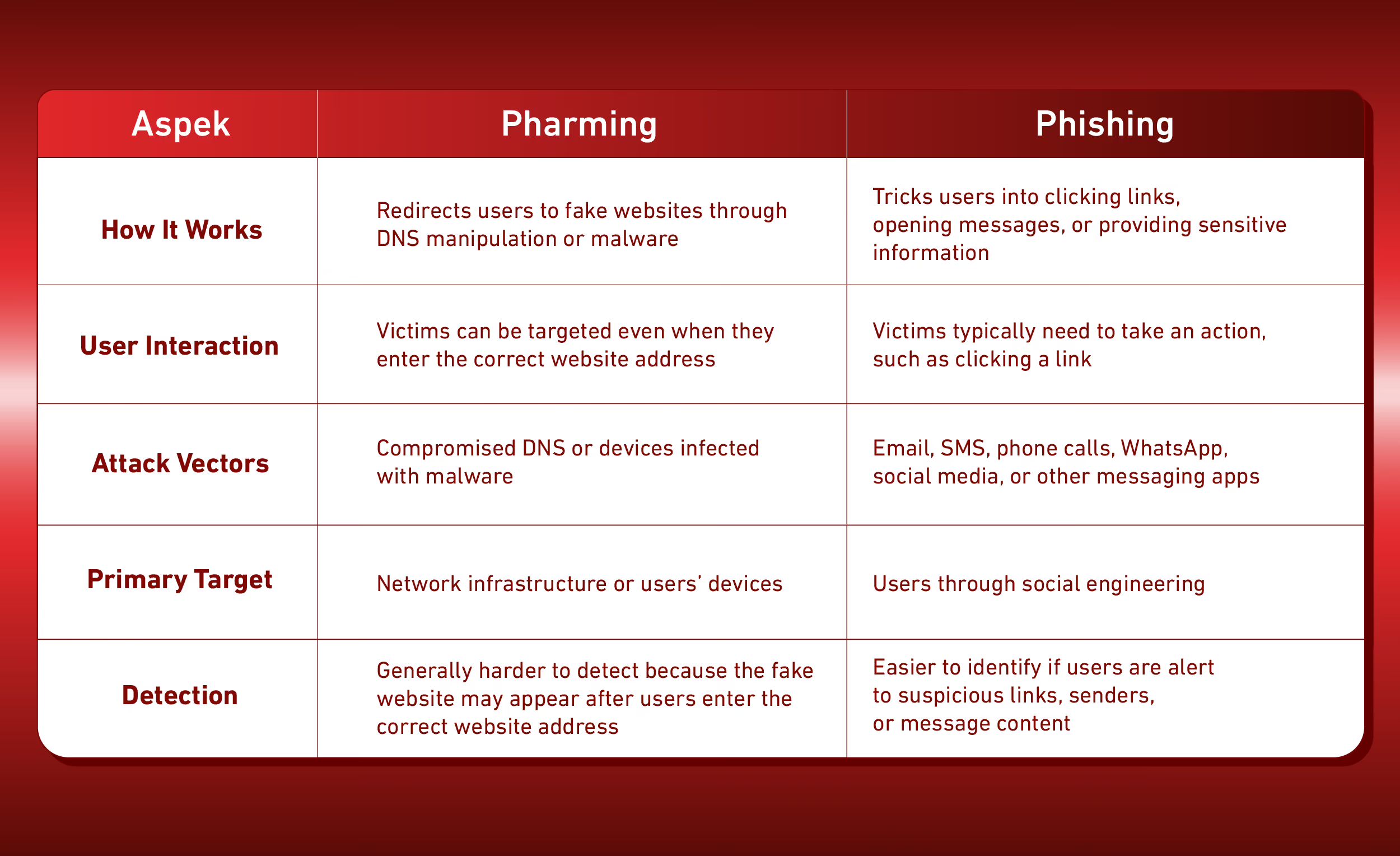
Difference of Pharming and Phishing
While pharming and phishing both aim to steal sensitive information, they operate in very different ways. Understanding these differences can help businesses and customers better recognize potential threats and reduce the risk of falling victim to cyberattacks.
The Impact of Pharming on Businesses
A pharming attack doesn’t just put your customers at risk, it can also have serious financial, operational, and reputational consequences for your business. Here are some of the most significant impacts:
1. Customer Data Breaches
Pharming can expose sensitive customer information, including login credentials, personal details, and payment information. A data breach of this kind can lead to identity theft, financial fraud, and potential legal or regulatory consequences.
2. Financial Losses
The financial impact of a pharming attack can affect both businesses and customers. Companies may face expenses related to incident investigations, system recovery, customer compensation, and fraud-related losses.
3. Loss of Customer Trust
When customers fall victim to a fake website that appears to belong to your brand, their trust can quickly erode. As a result, they may become hesitant to make future online purchases or choose competitors they perceive as more secure.
4. Operational Disruptions
Responding to a pharming attack often requires significant time, resources, and coordination across multiple teams. Investigating the incident, restoring affected systems, and strengthening security measures can disrupt day-to-day operations and reduce overall productivity.
5. Damage to Brand Reputation
Even if the attack originates from external cybercriminals, customers often associate the incident with your brand. Negative experiences can damage your reputation, reduce customer loyalty, and make it more difficult to attract and retain customers in the future.
Related Article: Beware of Voice Phishing: The Threat Behind a Convincing Voice
Prevent Pharming Before It Impacts Your Business
Although pharming attacks can be difficult to detect, businesses can significantly reduce the risk by implementing strong cybersecurity practices. Here are some effective ways to protect your business and customers:
1. Use HTTPS and a Valid SSL/TLS Certificate
Make sure your website is secured with HTTPS and an active SSL/TLS certificate. This encrypts communication between your website and customers, helping protect sensitive information from being intercepted.
2. Keep Your Systems and Software Up to Date
Regularly update your operating system, web server, content management system (CMS), plugins, and other software. Installing the latest security patches helps close vulnerabilities that cybercriminals could exploit.
3. Monitor and Audit Your Security Regularly
Continuously monitor your website, server logs, and DNS configurations for any unauthorized changes. Routine security audits can also help identify and address vulnerability before they become a target for attackers.
4. Use Reliable Antivirus and Anti-Malware Protection
Install trusted antivirus and anti-malware software on your devices and keep it up to date. These tools can help detect and remove malicious software that may attempt to alter network settings or modify critical system files, reducing the risk of pharming attacks.
5. Enable Multi-Factor Authentication (MFA)
Multi Factor Authentication (MFA) adds an extra layer of security by requiring users to verify their identity using more than just a password. Even if login credentials are compromised, MFA makes it much more difficult for attackers to gain unauthorized access to business accounts and systems.
6. Educate Employees and Customers
Cybersecurity is a shared responsibility. Train employees on cybersecurity best practices, including how to recognize suspicious activity and avoid downloading files from untrusted sources. At the same time, encourage customers to access your website only through your official domain and to report any suspicious websites that appear to imitate your brand.
That's why digital security should never be treated as an afterthought, it's a fundamental part of building customer trust. By implementing the right cybersecurity measures, businesses can reduce the risk of attacks like pharming while creating a safer and more secure online payment experience.
As cyber threats continue to evolve, choosing the right payment partner has become more important than ever. Beyond offering a wide range of payment methods, a trusted payment provider should also have robust security measures in place to help protect every customer transaction.
As a payment fintech company, DOKU is committed to helping businesses accept online payments with confidence. Through a range of advanced security features, DOKU helps safeguard every transaction, allowing you to focus on growing your business while delivering a secure and reliable payment experience for your customers.


